
Churches and affiliated NGOs in Uganda are rapidly adapting to the withdrawal of long-standing funding from the United States Agency for International Development. For decades, these organizations relied heavily on international aid from the U.S., U.K., and European Union to run feeding programs, support clergy families, and build schools and hospitals. Until last year, USAID… [Read More]
USAID
LGBTQ+ Rights Funding Plummets in 2025: What It Means for Communities Worldwide

In Bangladesh, where same-sex relations remain criminalised under a colonial-era law, the Noboprobhaat Foundation created a rare safe space for LGBTQ+ people in rural areas. The grassroots group provided HIV testing, job training for youth rejected by their families, free counselling, and legal support for cases of blackmail and eviction. These services, however, were severely… [Read More]
Ivory Coast Secures $480 Million in US Health Funding Through ‘America First’ Initiative

The United States and Ivory Coast have signed a health agreement committing $480 million from the U.S. to strengthen the West African nation’s healthcare sector. This deal, part of the “America First” global health funding initiative, reflects a shift in U.S. foreign policy toward transactional, partnership-based aid and comes amid previous aid cuts that have… [Read More]
HIV Care Crisis in Nigeria: Two Million People at Risk as N4.8bn Funding Ends
For more than twenty years, donor-backed programmes have been the cornerstone of HIV care in Nigeria, providing millions of people with free antiretroviral drugs, testing, and support services. These initiatives have kept countless lives stable and helped contain the epidemic. However, recent global funding disruptions are eroding this safety net, quietly reshaping lives and threatening… [Read More]
Turning Displacement into Opportunity: Stories of Creativity and Strength
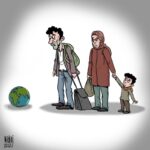
The return and reintegration of displaced individuals into their communities in Iraq is a critical phase that impacts both returnees and host communities. Families coming back from displacement face a range of challenges, including limited job opportunities, high living costs, damaged homes, and the collapse of social and livelihood structures they once relied on. A… [Read More]
US Signs New Health Agreements with Nine African Countries Aligned with Trump-Era Priorities

The US government has signed health agreements with at least nine African countries as part of a new global health funding approach, reflecting the Trump administration’s priorities and aiming to provide less aid while emphasizing mutual benefits. Countries including Kenya, Nigeria, and Rwanda are among the first to enter agreements under this framework, which links… [Read More]
How Health Data Is Shaping Global Influence Beyond Traditional Aid

For decades, global health governance relied on aid flows, multilateral institutions, and shared norms of solidarity. Countries received funding, technical assistance, and essential commodities through organisations such as the World Health Organization (WHO), the Global Fund, USAID, and other multilateral mechanisms. This model prioritized collective risk management and assumed that global health security was a… [Read More]
USAID Funding Freeze Pushes African Nations Toward Homegrown Health Financing

The funding freeze imposed by the United States government in February 2025 led to the cancellation of a large number of USAID grants across Africa, placing critical health, sexual and reproductive rights, and gender equality programmes at risk. While a subsequent agreement committed US$1.6 billion to Kenya over five years, the broader reduction in global… [Read More]
New U.S. Health Deal Brings $1.7 Billion Funding to Uganda

Uganda and the United States have signed a $2.3 billion bilateral health cooperation agreement aimed at strengthening Uganda’s health sector over the next five years. The plan falls under the Trump administration’s “America First Global Health Strategy,” which encourages low-income countries to gradually transition from aid dependence to self-reliance in combating infectious diseases. Under the… [Read More]
Civil Society Sustainability Amid Changing Development Finance Landscapes
The year 2025 began with a profound shock for civil society organisations (CSOs) following the closure and issuance of a stop-work order for all USAID-funded projects. This abrupt halt of ongoing programmes highlighted the vulnerability of CSOs heavily dependent on foreign aid and underscored the urgent need to diversify resources and rethink sustainability strategies. The… [Read More]
Seeds of Change: How Community Philanthropy is Transforming Civic Action in Burkina Faso
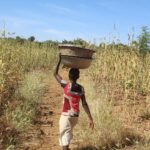
Burkina Faso’s civic space has faced significant setbacks, according to the CIVICUS Monitor 2024 report, which downgraded the country to “repressed” after a drop of 12 points, from 46 to 34. During a prolonged transitional period under military rule, dissent was silenced and media outlets were censored. Combined with persistent insecurity, humanitarian crises, economic strain,… [Read More]
Civic Space in 2025: Key Threats to Democracy and Human Rights
Global assessments show a continued decline in civic space, democracy and human rights, with 2025 marking an acceleration of these negative trends. Severe cuts to official development assistance, a rise in anti-rights movements, growing hostility toward migrants and refugees, and new restrictions on protests have deeply affected civil society in the UK and around the… [Read More]
USAID Funding Cuts Spark Conflict Between Lesotho and South African Organisations

The sudden USAID funding cuts earlier this year have created a deep conflict between two southern African organisations, MFDF (Mosepele Foundation Development Forum) and Mothers2Mothers South Africa (M2M), both caught in circumstances beyond their control. MFDF alleges that M2M, the prime implementer of the USAID-funded Bokamoso project, withheld funds, violated regulations, and exerted financial pressure… [Read More]
Faster Climate Insurance Payouts Proposed by Kenya Government
The Kenyan government is proposing new rules to protect farmers from the increasing impacts of climate change by requiring insurers to settle claims on weather-related policies within 10 days. The draft regulation focuses on index-based, or parametric, insurance, which pays out based on a predetermined variable such as rainfall, rather than individual claim assessments. The… [Read More]
The Impact of Trump’s Funding Cuts on USAID and Global Humanitarian Aid
U.S. foreign aid has historically played a crucial role in reducing global poverty, hunger, and inequality. The Trump administration’s drastic cuts to foreign assistance, including the closure of the U.S. Agency for International Development (USAID), have provoked widespread public concern and backlash from humanitarian and development organizations such as Oxfam. These cuts threaten to disrupt… [Read More]
Education Funding at Risk as Donors Reduce Charitable Contributions

Diana Zacharia, a primary school teacher in Arusha, Tanzania, manages a classroom of 90 pupils — a challenge she has learned to navigate with support from the Swiss development organization Helvetas. Through a two-year training program, she and other teachers were taught innovative methods such as involving students in lesson preparation and peer learning to… [Read More]
Action Against Hunger Celebrates 2025 Impact Award Recipients, Including P!nk for Humanitarian Work
Action Against Hunger has announced its 2025 Impact Award honorees during a year of significant global humanitarian challenges. The annual gala aims to raise essential funds and spotlight individuals making meaningful contributions toward ending hunger worldwide. Global music icon and Grammy-winning artist P!nk is being recognized with the Humanitarian Award for her long-standing advocacy around… [Read More]
Over 500,000 Zambian Children to Benefit from New Malaria Vaccine Rollout

Zambia has officially launched the R21/Matrix-M malaria vaccine under its Expanded Programme on Immunization (EPI), marking a major step in its fight against malaria. The rollout, led by the Ministry of Health, will initially target over 500,000 children aged 6–8 months in 83 districts, with the second phase planned for 2026. The country becomes the… [Read More]
Historic Launch: Haiti’s First Feminist Fund Targets $1 Million to Empower Women
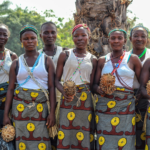
The Fund for Haitian Women (FHW), led by the Haitian Women’s Collective (HWC), has officially launched with the ambitious goal of raising one million dollars by April 2026. As the first feminist fund in the Caribbean, FHW seeks to promote gender justice, women’s empowerment, and sustainable development in Haiti. The initiative comes at a time… [Read More]
$115M US Bridge Funding to Keep South Africa’s HIV Programs Running

South Africa welcomed a U.S. bridging plan worth $115 million to continue funding HIV treatment and prevention programs until the end of March, viewing it as a positive sign of bilateral cooperation despite recent tensions. The U.S. President’s Emergency Plan for AIDS Relief (PEPFAR) has saved over 25 million lives globally, with South Africa having… [Read More]
Health Minister Highlights South Africa’s HIV Prevention Jab and Supply Challenges
South Africa is preparing to roll out lenacapavir, the world’s first twice-yearly HIV prevention injection, in April 2026, marking a significant milestone in the fight against HIV. Funded by a $29.2 million Global Fund grant and an additional $5 million from the Networking HIV and AIDS Community of Southern Africa (NACOSA), the initial supply will… [Read More]
Empowering Nigerian NGOs: Turning USAID Funding Cuts into Opportunity
The Development Research and Projects Centre (dRPC) has launched the NGO Support Initiative, a mentorship-driven capacity-building program designed to empower 17 Nigerian NGOs affected by recent USAID funding disruptions. The initiative aims to safeguard Nigeria’s civil society sector, particularly organizations promoting social inclusion, women’s rights, and good governance, by providing resources, guidance, and strategic support… [Read More]
How Solar-Dried Fish Transformed Premalata’s Livelihood in Odisha
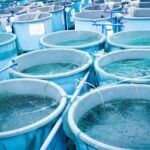
Premalata Behera, a 40-year-old member of the Maa Women Self Help Group, hails from Dalimbapur, a coastal fishing village in Odisha, India. Her community has relied on the dried fish trade for generations, but Premalata and her fellow group members faced persistent challenges in running their businesses. Traditional open-air sun drying left fish vulnerable to… [Read More]


