
Johor has taken a major step toward becoming a leading clean energy hub with the launch of the Southern Johor Renewable Energy Corridor (SJREC), a large-scale solar and battery storage initiative covering 2,000 square kilometres. The World Bank Group’s IFC, Johor’s strategic investment arm Permodalan Darul Ta’zim (PDT), and Ditrolic Energy have signed a collaboration… [Read More]
Key Insights from the G20: Africa’s Development, Climate Commitments, Debt Sustainability, and UN Reform
G20 leaders adopted the Summit Declaration in Johannesburg despite objections from the United States, which boycotted South Africa’s presidency and criticized the inclusion of climate change language. The declaration is notable because it was drafted without US input and still addresses major global challenges, particularly the climate crisis. Held on African soil for the first… [Read More]
OP30 Highlights: Top Five Insights From a Contentious Global Climate Meeting

The COP30 summit in Belém, Brazil, became one of the most divisive climate conferences in its 30-year history, exposing deep fractures in global consensus on how to address climate change. The final agreement made no mention of fossil fuels, angering many nations pushing for stronger commitments, while major fossil fuel producers felt justified in resisting… [Read More]
Global Health Foundation Releases Statement on End of Gaza Mission

The Gaza Humanitarian Foundation announced the completion of its emergency mission in Gaza after delivering more than 187 million free meals directly to civilians, marking one of the largest and most secure humanitarian food operations in the region. The organization emphasized that its model ensured aid reached Palestinian families without diversion to Hamas or other… [Read More]
Free Mosquito Nets and Malaria Screening Rolled Out by NGO in Delta State
A non-governmental organization, Hacey Health Initiative, has provided mosquito nets to women in the Ikpoto community of Asaba, where more than 2,000 residents were also tested for malaria. The effort forms part of a wider initiative to reduce malaria cases and improve access to prevention, testing, and treatment services for women, pregnant mothers, and young… [Read More]
16 Days of Activism: Tackling Gender-Based Violence Worldwide

The 16 Days of Activism against Gender-Based Violence is an annual global campaign observed from November 25, the International Day for the Elimination of Violence against Women, to December 10, International Human Rights Day. During this period, individuals and organizations worldwide, including the World Bank Group (WBG), unite to raise awareness and advocate for the… [Read More]
National Biopharma Mission in India Accelerates Health Innovation with World Bank Support

A quiet revolution is underway in India’s biotechnology sector, led by young entrepreneurs who are driving transformative health innovations. Arjun Arunachalam, founder of Voxel Grids Innovations Private Ltd in Bangalore, developed India’s first indigenously manufactured MRI scanner that matches global standards at a fraction of the cost of imported machines. These lightweight, energy-efficient scanners are… [Read More]
Niger Cracks Down on NGOs Over Financial Reporting Lapses
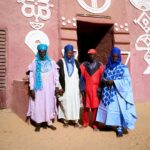
Niger’s Ministry of the Interior has suspended the activities of hundreds of local and international non-governmental organisations and development associations after they failed to submit their financial statements for 2024. The organisations have been granted a 60-day deadline to update and regularise their paperwork to regain operational status. The government has not disclosed the exact… [Read More]
Climate Resilience in Somalia: Ensuring Communities Access Safe Water
The Holhol Dam in Somaliland has been rehabilitated under the World Bank-supported Somalia Water for Rural Resilience Project, locally known as Barwaaqo, to provide clean water to over 6,000 people and support thousands of livestock. The upgraded dam now holds up to 70,000 cubic meters of water and serves surrounding villages, including Asha-ado, Abuqeys, and… [Read More]
Zimbabwe’s New NGO Law Sparks Fears of Shrinking Civic Space and Silencing of Rights Groups
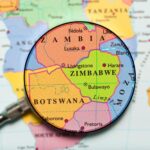
More than seven months after the Private Voluntary Organizations (PVO) Amendment Act came into force in Zimbabwe on 11 April 2025, its impact on the country’s civil society has become increasingly visible. NGOs and rights groups have warned that the law represents an unprecedented assault on civic space and threatens to undermine fundamental freedoms. The… [Read More]
Private Sector to Drive Climate Resilience in Bangladesh and South Asia
South Asia, characterized by dense populations, high temperatures, and exposed geography, is among the world’s most climate-vulnerable regions, with Bangladesh facing some of the highest risks. By 2030, nearly 90 percent of the region’s population is projected to be exposed to extreme heat, and almost a quarter at risk of severe flooding. Rising water and… [Read More]
Equatorial Guinea’s Path to Inclusive Growth: Reducing Poverty and Expanding the Middle Class
A new World Bank Group report highlights that Equatorial Guinea is at a critical juncture. Despite its oil wealth, which has positioned the country as an upper-middle-income economy and one of the richest in Sub-Saharan Africa, nearly half of the population still lives in poverty according to the national poverty line. As oil revenues decline… [Read More]
Asian Development Bank Updates Energy Policy to Promote Access and Energy Security
The Asian Development Bank (ADB) has approved updates to its energy policy to strengthen its commitment to expanding energy access and improving energy security across Asia and the Pacific. ADB President Masato Kanda emphasized that the changes enhance the Bank’s ability to support developing member countries in meeting rapidly growing energy demands, highlighting nuclear power… [Read More]
$50 Million ADB Funding to Enhance Cambodia’s Financial Sector and Digital Systems

The Asian Development Bank (ADB) has approved a $50 million policy-based loan to strengthen Cambodia’s financial sector. The investment, implemented through a programmatic approach, will support banking and nonbanking institutions, digital finance infrastructure, and sustainable finance capabilities. The Inclusive and Sustainable Finance Development Program aims to enhance the sector’s capacity, stability, and performance, positioning Cambodia… [Read More]
$400 Million ADB Loan to Boost Road Connectivity Across Maharashtra
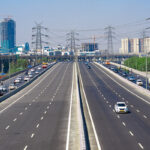
The Asian Development Bank (ADB) has approved a $400 million results-based lending program to support the state of Maharashtra in developing climate-resilient, low-carbon, safe, and inclusive road networks, with a focus on enhancing connectivity for rural communities. The Maharashtra Roads Connectivity for Inclusive Growth Program aims to improve all-weather road access across 34 districts, particularly… [Read More]
ADB Highlights Need for Coordinated Efforts to Achieve Nationally Determined Contributions

The African Development Bank Group has emphasized the need for stronger collaboration and sustained coordination among global climate institutions to help developing countries achieve their Nationally Determined Contributions (NDCs). Speaking at the 5th Partners’ Roundtable on NDC Implementation during COP30 in Belém, Brazil, Dr. Al Hamndou Dorsouma, Manager for Climate Change and Green Growth at… [Read More]
$15 Million Investment by African Development Bank in Adenia Fund 1 to Fuel Small and Mid-Cap Enterprises

The African Development Bank Group’s Board of Directors has approved a $15 million equity investment in Adenia Entrepreneurial Fund 1 (AEF 1). The decision, made in Abidjan on 19 November 2025, aims to provide growth capital to small- and mid-cap companies across multiple African countries. These companies operate in sectors that strengthen economic resilience, including… [Read More]
IDB and PAHO Support El Salvador and Costa Rica in Issuing First Digital Yellow Fever Vaccination Certificates

El Salvador and Costa Rica have become the first countries in the Americas to issue digital yellow fever vaccination certificates in line with the World Health Organization’s (WHO) Global Digital Health Certification Network standards. This milestone highlights the region’s leadership in adopting digital health innovations, although the traditional paper certificate remains necessary for entry into… [Read More]
EIB and Commerzbank Partner to Fund Germany’s €1.2 Billion Renewable Energy Projects
The European Investment Bank (EIB) and Commerzbank have launched a new partnership to support €1.2 billion in energy investment across Germany, aiming to accelerate the country’s energy transition and modernise local energy infrastructure. The cooperation, formalised at Commerzbank’s headquarters in Frankfurt, combines the EIB’s financial strength with Commerzbank’s local expertise to fund hundreds of municipal… [Read More]
EIB and European Commission Commit €15 Million to Boost Local Recovery and Essential Services in Ukraine
The European Investment Bank (EIB), backed by the European Union, has disbursed €15 million in funding to help restore essential social services in Ukraine damaged by the Russian war of aggression. This support will reach communities nationwide, with priority given to frontline areas, and is being provided under the Ukraine Investment Framework, part of the… [Read More]
Russia Human Rights Violations: EU Imposes Sanctions on Ten More Individuals
Today, the European Union imposed restrictive measures on ten individuals responsible for serious human rights violations and the repression of civil society and democratic opposition in Russia. The sanctions specifically target senior officials in the Federal Penitentiary Service of the Russian Federation for Rostov Oblast, including those overseeing Pre-Trial Detention Centre No. 2. In these… [Read More]
Humanitarian Milestone: NGO Sends 40 Tonnes of Medicines to Sudan
A major humanitarian delivery has reached Sudan, with 40 tonnes of medicines and medical supplies sent from Port Sudan to support children and families in some of the country’s hardest-to-reach areas, including Tawila in North Darfur. The shipment includes essential drugs such as antibiotics, fluids, multivitamins, and treatments for malnutrition, alongside medical equipment like thermometers,… [Read More]
From Smartphones to Fridges: UK Tackles Critical Mineral Import Reliance

The UK government has unveiled a new Critical Minerals Strategy aimed at reducing the country’s dependence on imported minerals essential for everyday technologies such as smartphones, electric vehicles, and household appliances. The strategy sets ambitious targets, including producing 10% of the UK’s critical mineral needs domestically and meeting an additional 20% through recycling by 2035…. [Read More]


