
Canada is investing $19.6 million to support 82 Indigenous-led stewardship initiatives aimed at advancing locally led climate solutions, species-at-risk conservation, and First Nations Guardians programs. These initiatives recognize the unique knowledge and perspectives of Indigenous peoples, who have been stewards of the land and waters for generations, and leverage that expertise to address climate change,… [Read More]
Finland Commits Support for Africa’s Sustainable Economic Growth via African Development Fund

Finland will participate in the 17th replenishment of the African Development Fund (AfDF-17) to support sustainable economic growth and development in the continent’s poorest countries. The AfDF aims to reduce poverty by promoting economic and social development, financing climate-resilient infrastructure, strengthening administrative capacity, and supporting reforms that improve domestic revenue systems. Finland will contribute EUR… [Read More]
Government Allocates $280M to Advance Health and Medical Innovation

The National Health and Medical Research Council (NHMRC) is investing nearly $280 million to support 190 innovative projects aimed at addressing specific medical research questions that contribute to improving human health. This funding is provided through the Ideas Grants scheme, which enables researchers at all career stages and across all areas of research to pursue… [Read More]
$102 Million Cut: Labor Reduces Funding for Flagship Startup Initiative

The Albanese government has cut $102 million in uncommitted funding from its flagship Industry Growth Program, two years after the scheme was launched to help startups and SMEs bridge Australia’s commercialisation gap. The reduction, detailed in the Mid-Year Economic and Fiscal Outlook (MYEFO), is part of a broader $147.6 million reprioritisation across industry, science, and… [Read More]
Suva Sets a Historic First in Pacific SDG Localization
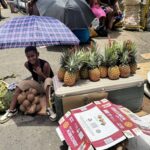
In 2025, Suva made history by becoming the first city in a Pacific Small Island Developing State to produce a Voluntary Local Review of the Sustainable Development Goals. This achievement marks a significant milestone in the way Pacific cities translate global commitments into local action, highlighting the potential of urban centers to drive sustainable development… [Read More]
World Bank Backs Reforms to Strengthen Montenegro’s Fisheries and Agrifood Industry

The World Bank has approved a €33 million loan to Montenegro to strengthen its fisheries and agrifood sector, recognizing these industries as vital to the country’s economic development, rural livelihoods, and progress toward European Union accession. The financing will support improved service delivery, upgraded infrastructure, and stronger compliance with EU standards, helping Montenegro build a… [Read More]
Indonesia’s Economy Shows Strong Resilience Amid Ongoing Global Uncertainty
Indonesia’s economy recorded solid growth of 5.0 percent during the first nine months of 2025 and is expected to sustain a similar pace through 2026 and 2027, supported by robust investment levels and strong net exports. This performance reflects the country’s continued macroeconomic stability despite a challenging global environment. According to the World Bank’s Indonesia… [Read More]
USD 1 Million Grant from Coca-Cola Foundation to Strengthen Caribbean Plastic Recycling
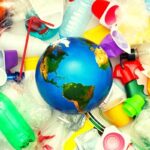
The Coca-Cola Foundation has awarded funding to the Pan American Development Foundation (PADF) to support the Caribbean Plastics Recycling Project, a regional initiative aimed at expanding plastic waste collection and strengthening recycling systems across the Caribbean. This investment comes at a crucial time, as Caribbean nations grapple with rising waste management costs, growing plastic pollution,… [Read More]
$1.45M Investment by Food Equity Fund Strengthens Community Organizations and Prepares 2026 Grant Overhaul

The City of Seattle is reinforcing its commitment to food equity by investing over $1.45 million in 23 community partners for 2026. These organizations provide free meals, share traditional food knowledge, support elders and youth, grow fresh produce, and strengthen local food systems. This funding maintains the high levels of investment from previous years while… [Read More]
$2 Billion Co-Financing Deal Between OPEC Fund and ADF to Boost Africa’s Growth

The OPEC Fund for International Development has announced plans to co-finance up to US$2 billion with the African Development Fund (ADF) for the period 2026–2030, underscoring its continued commitment to supporting Africa’s development and providing concessional financing to the continent’s most vulnerable countries. The announcement was made by OPEC Fund President Abdulhamid Alkhalifa during the… [Read More]
Global Refugee Gathering Sees Strong Commitments to Support Displaced Communities

The second Global Refugee Forum Progress Review concluded in Geneva, with over 30 new pledges announced to support refugees and the communities hosting them. The three-day gathering reaffirmed international solidarity and commitment to improving access to employment, education, and sustainable solutions, including voluntary returns and safe pathways to third countries. Since the first Global Refugee… [Read More]
From Emergency Aid to Long-Term Resilience: Multilateral Support for Women and Girls

In diverse contexts across the globe, women face constant threats to their safety and dignity, both offline and online. From Mariam in Hebron, whose privacy was violated through non-consensual photos, to Lilly in Papua New Guinea, living under domestic abuse and social isolation, and Iryna in Ukraine, displaced and cut off from essential support during… [Read More]
How Moldova Resisted Election Interference: Insights and Lessons

Moldova’s President, Maia Sandu, highlighted the escalating threats to democratic sovereignty posed by foreign interference, noting how technology, artificial intelligence, and cryptocurrency have amplified these assaults. Her remarks, delivered on the 35th anniversary of the Venice Commission, underscore the challenges Moldova faced during consecutive election cycles marked by cyberattacks, illicit financing schemes, and information manipulation… [Read More]
GEF Allocates $52.8 Million to Strengthen UNEP Climate and Ecosystem Initiatives

The Global Environment Facility (GEF) has announced USD 52.8 million in funding for four new projects led by the United Nations Environment Programme (UNEP), aiming to address pressing environmental challenges worldwide. The initiatives, approved during GEF’s 70th Council meeting, focus on restoring critical ecosystems, promoting clean mobility, and enhancing global climate transparency. The announcement follows… [Read More]
GEF Funds Innovative Adaptation Projects to Strengthen Climate Resilience and Safeguard Ecosystems
The Global Environment Facility (GEF), through its Least Developed Countries Fund (LDCF) and Special Climate Change Fund (SCCF), has launched a new set of projects aimed at strengthening climate resilience in some of the world’s most vulnerable nations. The LDCF and SCCF Council approved a work program providing approximately $52 million in GEF support, expected… [Read More]
UK Shifts Strategy in Africa: Introducing the “From Donor to Investor” Programme
The United Kingdom has unveiled a modernised approach to its relationship with African countries, moving from a traditional aid-focused model to one centred on partnership, investment, and shared reform. Delivered by the new Minister for Development and Africa, the address emphasised the need for long-term, mutually beneficial relationships that reflect Africa’s diversity and leadership, rather… [Read More]
BGS Secures Funding to Advance Malaysia’s Climate Adaptation and Sustainability Goals
Malaysia faces significant risks from rainfall-triggered landslides, driven by extreme weather conditions. Historical data from 1961 to 2024 records over 6,400 landslides, resulting in substantial loss of life and economic damages exceeding $1 billion. These risks are expected to grow due to climate change and rapid urbanisation, disproportionately affecting low-income households and small businesses. While… [Read More]
Towards a Unified Higher Education Regulator: India’s Plan to Streamline Oversight

The Government of India has introduced the Viksit Bharat Shiksha Adhikshan (VBSA) Bill 2025 in the Lok Sabha, aiming to consolidate multiple higher education regulators into a single, strengthened umbrella commission supported by a digital one-stop regulatory platform. The bill, previously known as the HECI Bill, was submitted on 15 December 2025 as part of… [Read More]
EIB Global to Back Bosnia and Herzegovina in Green and Social Impact Investments

The European Investment Bank (EIB Global) is set to provide guidance to the Central Bank of Bosnia and Herzegovina on green financing and enhance funding access for local companies. Through its Greening Financial Systems (GFS) technical assistance programme, EIB Global will advise the central bank on climate risk management, regulatory supervision, and improving green reporting… [Read More]
Yemen on the Edge: Guterres Urges Calm Amid UN Staff Detentions
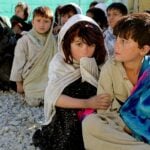
UN Secretary-General António Guterres has warned of rising tensions in Yemen, highlighting “dramatic new developments” in the country’s eastern governorates that are exacerbating the conflict. Since 2014, Yemeni government forces, supported by a Saudi-led coalition, have been fighting Houthi rebels backed by Iran, who currently control the capital, Sana’a. This month, forces aligned with the… [Read More]
Humanitarian Needs Rise in Sudan Amid Kordofan Fighting

Since Sunday, over 1,000 people have been newly displaced from Kadugli, the capital of South Kordofan, as well as the towns of Dilling and El Koaik. Many are seeking shelter in North and West Kordofan, Khartoum, and White Nile states. The ongoing fighting between the Sudanese Armed Forces (SAF) and the paramilitary Rapid Support Forces… [Read More]
Gaza Humanitarian Response at Breaking Point as Israel Urged to Remove New Restrictions

The Humanitarian Country Team, comprising senior UN officials and over 200 local and international aid groups, issued a stark warning on Tuesday, urging the international community to pressure Israeli authorities to reverse measures that are severely restricting humanitarian operations in the Gaza Strip. Central to the concern is a new registration system for international non-governmental… [Read More]
Jamaica Faces Ongoing Recovery Challenges 50 Days After Hurricane Melissa
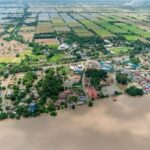
Fifty days after Hurricane Melissa struck Jamaica, the country continues to face extensive challenges in recovery and rebuilding. Estimates place the total damage and loss between $8 billion and $15 billion, representing nearly a quarter of Jamaica’s gross domestic product, according to Dennis Zulu, UN Resident Coordinator for Jamaica, the Bahamas, Bermuda, the Cayman Islands,… [Read More]


