
The New Hampshire Charitable Foundation has awarded over $4.3 million in grant funding to 134 nonprofit organizations through its 2025 Community Grants program. This funding, made possible by the generosity of donors both past and present, comes from a mix of fund types, including flexible funds, field-of-interest funds, and donor-advised funds, and is designed to… [Read More]
Urban Agriculture Funding Now Open Through MDA Grants
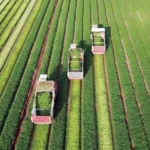
The Minnesota Department of Agriculture (MDA) is now accepting applications for its Agricultural Growth, Research, and Innovation (AGRI) Urban Agriculture Grants. This year, the program offers two distinct opportunities: the AGRI Urban Agriculture Youth Education Grant, which supports projects that establish or expand agriculture-based education programs for youth, and the AGRI Urban Agriculture Community and… [Read More]
Building a More Resilient Jamaica: Lessons from Hurricanes Beryl and Melissa

In late June and early July 2024, Hurricane Beryl, a Category 5 storm, swept across southern Jamaica, affecting roughly 160,000 people and causing localized damage, particularly to agriculture. A little over a year later, on 28 October 2025, Hurricane Melissa struck with even greater force, crossing the island and leaving widespread devastation across multiple parishes…. [Read More]
Key Lessons from School Leadership in Rural Rwanda
Leadership in education in Rwanda extends far beyond administrative duties; it is rooted in vision, service, and the ability to solve daily challenges in resource-constrained environments with high expectations. As a head teacher under the Ministry of Education, I have seen firsthand how effective leadership shapes learning outcomes and school culture. In Ngororero District, our… [Read More]
Istanbul Bar Association Board Acquitted – A Positive Step Against Criminal Justice Misuse in Türkiye

An Istanbul court has acquitted the president and ten members of the executive board of the Istanbul Bar Association of charges related to terrorist propaganda, a decision welcomed by Amnesty International. Esther Major, Deputy Director for Research in Europe at Amnesty, described the ruling as a relief, emphasizing that the case was a clear misuse… [Read More]
Nationwide Internet Blackout in Iran Masks Escalating Violence Against Protesters
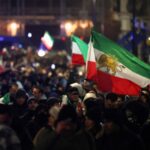
Since 28 December 2025, Iran has experienced widespread protests that began in Tehran following a sharp currency collapse and rising inflation, with demonstrators calling for the fall of the Islamic Republic system. The protests quickly spread to cities across the country, prompting a violent crackdown by Iranian authorities involving unlawful use of force, firearms, and… [Read More]
Accelerating the Clean Energy Transition: Funding Launched for Developing Regions Worldwide

Up to £7 million in grant funding is now available for companies advancing clean energy access across sub-Saharan Africa, South Asia, the Indo-Pacific region, and Latin America. This funding forms part of the Energy Catalyst Round 11 programme, reinforcing its ongoing commitment to supporting innovative clean energy technologies that contribute to Sustainable Development Goals 7… [Read More]
Fraser Coast Community Groups Encouraged to Apply for $194K Funding Boost

Fraser Coast community groups and not-for-profit organisations are being encouraged to apply for the final round of the 2025–26 Community Grants Program, with over $194,000 in funding available. Applications are open until 26 February 2026. Councillor Phil Truscott highlighted that grants ranging from $1,000 to $5,000 can support projects, equipment purchases, and events that deliver… [Read More]
£68k Funding Awarded to Support Local Community Initiatives
Twenty community groups in Hull have been awarded over £68,000 in funding through the Hull Community Fund, marking the second round of grants since the fund’s launch in 2024. The funding aims to address local needs across health and wellbeing, education, culture, and the environment. The grants are expected to benefit more than 18,000 residents… [Read More]
King’s Hospital Students Recognized for Groundbreaking Sustainable Science Project

A project focused on removing lead pollution from water and soil in Zambia has won the 2026 Irish Aid / Self Help Africa Science for Development Award at the Stripe Young Scientist & Technology Exhibition. The winning project, titled “Solutions to Combat Lead Pollution in Soil and Water in Kabwe, Zambia”, was developed by King’s… [Read More]
Funding approved for new Domestic Violence Refuge in Dundalk

The Irish government has approved funding for a new domestic violence refuge in Dundalk, announced jointly by the Minister for Housing, Local Government and Heritage, James Browne, and the Minister for Justice, Home Affairs and Migration, Jim O’Callaghan. The €6.5 million project, led by Women’s Aid Dundalk, will now move forward with the formal awarding… [Read More]
Minister Joly Unveils $240M Funding to Boost Canadian SMEs in Defence and Dual-Use Tech

The National Research Council of Canada’s Industrial Research Assistance Program (NRC IRAP) is launching a new initiative, Defence Industry Assist (DI Assist), aimed at providing funding and expert advice to high-potential Canadian small and medium-sized enterprises (SMEs) developing made-in-Canada defence and dual-use technologies. Announced by Minister Mélanie Joly on January 9, 2026, the program is… [Read More]
Sudan Conflict: Civilians Bear Heavy Toll After 1,000 Days of Fighting
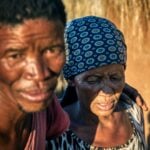
Latest UN data shows that conflict in Sudan has uprooted 9.3 million people internally, with over 4.3 million fleeing across borders, placing immense pressure on neighbouring countries. At the same time, more than 21 million people across the country are acutely food insecure, facing severe shortages of basic necessities. Although some displaced individuals have returned… [Read More]
UN Warns of Surge in Abductions and Sexual Violence in South Sudan

UNMISS released its latest quarterly human rights brief covering July to September 2025, highlighting a continued deterioration in South Sudan’s political and security situation. The period was marked by persistent inter- and intra-communal violence involving community militias and civil defence groups, hostilities between warring parties and other armed actors—including alleged foreign involvement—heightened political tensions between… [Read More]
What the US Exit from UN Agencies Means for Global Climate, Trade, and Development
Following the release of the White House Memorandum, UN Spokesperson Stéphane Dujarric reaffirmed that the Organization will continue to carry out its mandates from Member States “with determination.” The memorandum, issued by the US administration, states that the country is “ceasing participation in or funding to those entities to the extent permitted by law.” While… [Read More]
Spotlight Initiative Highlights Key Progress in Combating Gender-Based Violence

The Spotlight Initiative, a United Nations–European Union partnership, emphasizes that effective action against gender-based violence occurs when women and girls are “at the heart of every decision,” according to Erin Kenny, the Initiative’s Global Coordinator. Since its launch in 2017, Spotlight has worked to prevent all forms of violence, including sexual and gender-based violence, femicide,… [Read More]
Iran Must Stop Crackdown on Protesters and Restore Internet, UN Says
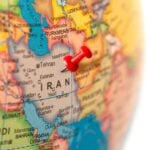
The Independent International Fact-Finding Mission on Iran expressed alarm over credible reports that Iranian security forces had been ordered to carry out a “decisive” crackdown on protesters without restraint, as demonstrations entered their third week. On the evening of 8 January, internet and mobile connectivity were shut down, severely limiting access to information as the… [Read More]
Millions in Sudan Face Hunger and Displacement Amid War and Health Crisis
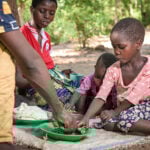
UN agencies have warned that nearly three years of sustained violence, restricted humanitarian access, and shrinking funding have pushed Sudan into the largest humanitarian emergency in the world. An estimated 33.7 million people—around two-thirds of the population—are expected to need humanitarian assistance in 2026, with more than 20 million requiring health support and 21 million… [Read More]
How One Somali-British Woman is Empowering and Connecting Diaspora Communities

From an early age, Safia learned the importance of looking out for others. As a primary school student, she began helping newly arrived families by translating at GP appointments and other essential meetings, drawing on her own family’s experience of migration. Today, Safia leads the Women’s Inclusive Team (WIT) as Chief Executive, a grassroots charity… [Read More]
19 Countries in Western Pacific Complete Comprehensive Health Information System Reviews

The Health Information and Digital Health (HID) unit at the WHO Regional Office for the Western Pacific has successfully supported 19 countries, covering 99% of the Region’s population, in conducting comprehensive health information system (HIS) assessments. This achievement surpasses the regional target of 15 countries set for 2025 and advances efforts toward universal health coverage…. [Read More]
Simultaneous Spread of Seasonal Flu and RSV in the Americas: PAHO Issues Warning

The Pan American Health Organization (PAHO) has urged countries across the Americas to remain vigilant and strengthen health system preparedness due to the simultaneous circulation of seasonal influenza and respiratory syncytial virus (RSV). This dual circulation could place additional pressure on hospitals and clinics for the remainder of the Northern Hemisphere winter season. The alert… [Read More]
Insights on Rural Women in Georgia from the Country Gender Assessment

T Sopo, a 31-year-old from Tsalka, is taking her first steps toward building a small cheese business with her mother. She emphasizes the importance of supporting other women farmers, sharing information about projects, training, and exhibitions to help their businesses grow. Alongside her entrepreneurial efforts, Sopo founded the non-profit Tsalka Development Center and runs a… [Read More]
FAO Launches Voucher Program to Boost Food Security and Prevent Sexual Exploitation

The Food and Agriculture Organization of the United Nations (FAO), in partnership with the Government of Zimbabwe and funded by the French Government, has coordinated the Agricultural Voucher System under the Nourish and Thrive: Inclusive and Sustainable Nutrition and Livelihoods Initiative Project. This initiative aims to enhance food security and nutrition by providing rural households… [Read More]


