
Nuria Ziyadinova’s newborn daughter, Sofia, recently benefited from Kyrgyzstan’s expanding digital healthcare services when a family doctor diagnosed prolonged jaundice during a routine home visit. Thanks to the UN-supported telemed.kg platform, Nuria was able to consult remotely with a neonatologist in Bishkek, who confirmed the diagnosis and adjusted treatment, avoiding a long journey to the… [Read More]
ILO Warns of Job Risks as Nepal Approaches LDC Graduation

A new ILO report highlights that Nepal’s graduation from Least Developed Country (LDC) status in November 2026 could pose risks to employment, particularly for women and informal workers, while also affecting exports in key sectors such as apparel and textiles due to the gradual loss of trade preferences. The Employment Impact Assessment, developed jointly by… [Read More]
ILO and Cuba Partner to Support Persons with Disabilities in Zambia

The International Labour Organization (ILO) and the Government of Cuba have taken steps to strengthen support systems for Persons with Disabilities (PWDs) in Zambia following high-level talks in Lusaka. ILO Country Office Director for Zambia and Malawi, Mr. Wellington Chibebe, met with Cuban Ambassador Mrs. Marileydis Duenas Morales to explore cooperation aimed at improving the… [Read More]
Air Quality in Uttar Pradesh to Improve Through World Bank Initiative
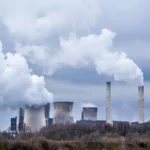
The World Bank, the Government of India, and the Government of Uttar Pradesh have signed a $299.66 million agreement to support the state’s Clean Air Management Program, aimed at improving air quality while creating job opportunities for youth and women. The program targets key sectors such as transport, agriculture, and industry, and will install nearly… [Read More]
Boosting Competitiveness and Mining Sustainability in Peru
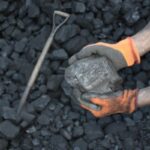
The World Bank has approved a US$200 million project to help Peru enhance competitiveness, transparency, and sustainability in its mining sector, aiming to create more and better jobs across the value chain. The initiative will generate advanced geoscientific data, modernize permitting systems, and strengthen institutional capacity, addressing regulatory bottlenecks and governance challenges that have slowed… [Read More]
New Trade Finance Initiative Strengthens Angola’s Economy
A new trade finance guarantee facility in Angola is set to support businesses, particularly small and medium enterprises (SMEs), by improving access to critical inputs, ensuring timely deliveries, and sustaining and creating jobs across key value chains. Provided to Banco de Fomento Angola (BFA) through the International Finance Corporation’s (IFC) Global Trade Finance Program (GTFP),… [Read More]
INITIATE²: West Africa Boosts Outbreak Preparedness in Dakar
Fourteen West African countries convened in Dakar for a four-day regional simulation exercise (SIMEX) aimed at strengthening preparedness and response to filovirus outbreaks such as Ebola and Marburg. Hosted by the Senegal Ministry of Health and Africa CDC at the WHO Regional Emergency Hub, the exercise brought together over 40 experts in case management, WASH,… [Read More]
CSW70: Advancing Girls’ Education for Peace in Africa

The African Union International Centre for Girls and Women’s Education in Africa (AU CIEFFA), in collaboration with the International Women’s Peace Group (IWPG), hosted a high-level side event during the 70th session of the Commission on the Status of Women (CSW70) at the AU Permanent Observer Mission to the United Nations. The event focused on… [Read More]
Pandemic Fund: Strengthening Global Health Security

In just over three years, the Pandemic Fund has become the world’s largest dedicated platform for pandemic prevention, preparedness, and response in low- and middle-income countries, with a portfolio of $11.5 billion supporting 67 projects across 128 nations. The Fund’s catalytic financing model leverages grants to mobilize domestic and international co-investment, unlocking over $10 billion… [Read More]
Uganda NGOs Face Uncertain Future Amid Funding Cuts, Tight Regulations, and Donor Exit
Uganda’s non-governmental organisation sector is entering a period of uncertainty as declining donor support, increased regulatory scrutiny, and operational challenges threaten its long-term sustainability. These concerns were highlighted during the NGO Symposium 2026 held in Kampala on March 11, where government officials, civil society leaders, development partners, and financial experts gathered to evaluate the state… [Read More]
$80 Billion at Risk as Global TB Funding Declines, Study Reveals

More than a year after the second Trump administration began scaling back the US Agency for International Development (USAID), the global health impact of reduced international aid is becoming increasingly evident. A new study led by a researcher from Boston University School of Public Health reveals that cuts to USAID funding, along with broader reductions… [Read More]
NGOs Warn Lebanon on Brink of Humanitarian Crisis Amid Escalation and Mass Displacement
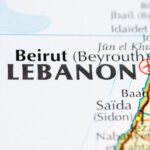
Humanitarian organisations have raised urgent concerns that vulnerable communities in Lebanon are reaching a breaking point as renewed violence triggers widespread displacement and deepens an already fragile humanitarian situation. In a statement issued by the Lebanon Humanitarian INGO Forum, NGOs called for immediate international action to protect civilians and prevent further deterioration. As the country… [Read More]
Syria Crisis After 15 Years: Humanitarian Needs Remain Critical Despite Political Change
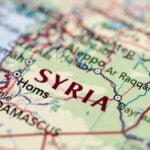
Fifteen years after the crisis began, the humanitarian situation in Syria remains one of the most severe in the world, with millions of people still dependent on aid for survival. Although major political changes in December 2024 brought a sense of hope, the reality on the ground continues to be fragile, marked by displacement, poverty,… [Read More]
Czech Government Moves to Tighten NGO Law Amid Transparency Debate and Opposition Criticism

The Czech government coalition is preparing to introduce stricter regulations for non-governmental organisations, with plans to push forward a new law aimed at increasing transparency and oversight. The announcement was made by Foreign Minister Petr Macinka in Brussels, where he outlined the government’s intention to regulate NGO activities that may influence public opinion and political… [Read More]
Uganda Freezes NGO Bank Accounts as FIA Investigates Funding Sources and Financial Irregularities
The Financial Intelligence Authority (FIA) has frozen the bank accounts of several non-governmental organisations operating in Uganda as part of ongoing investigations into suspected financial irregularities and the sources of their funding. The move, confirmed by FIA Director Samuel Wandera, was taken in collaboration with other government agencies following concerns about financial flows linked to… [Read More]
NGO Empowers 60 Lagos Residents with Vocational Skills to Boost Livelihoods and Prevent Child Labour

More than 60 residents of Ikotun/Igando Local Council Development Area (LCDA) in Lagos State have received practical vocational training through an initiative aimed at improving livelihoods and reducing poverty among vulnerable families. The programme, organized by the Centre for the Advancement and Protection of the Rights of Vulnerable People (CAPRIGHTS–VP), focused on equipping participants with… [Read More]
Olkeriai River Crisis: How Sand Harvesting Is Drying Water Sources and Disrupting Maasai Life in Kenya
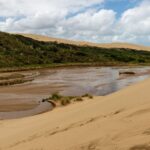
At sunrise along the Olkeriai River in Mashuuru, Kajiado County, the landscape no longer resembles a flowing waterway but an open quarry marked by deep scars and constant excavation. Young men dig relentlessly into the sand as heavy trucks wait nearby to be loaded, their engines rumbling across what was once a thriving ecosystem of… [Read More]
10 Key Lessons from Early Warning Systems Innovators Driving Anticipatory Action for Climate Disasters

As climate-related disasters become more frequent and severe, the need to act before crises unfold is more urgent than ever. Anticipatory action—taking preventive steps before hazards strike—has proven essential in saving lives and protecting livelihoods. Through the GSMA Innovation Fund for Anticipatory Humanitarian Action, eight organisations collaborated to explore how mobile and digital tools can… [Read More]
Tajikistan Needs $1 Billion Annually to Meet Climate Goals and Boost Resilience
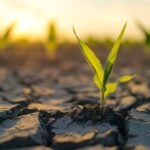
Tajikistan requires approximately $1 billion each year to implement climate adaptation and emissions reduction initiatives, according to officials speaking at a high-level roundtable held in Dushanbe. The discussion highlighted the country’s urgent need to scale up financing in order to meet its climate commitments and strengthen resilience against climate impacts. The event focused on the… [Read More]
Solar Power Transforms Maternal Care and Immunisation in Rural Uganda Health Centres

In rural Uganda, unreliable electricity has long forced mothers to give birth in unsafe and poorly lit conditions while limiting access to essential health services such as immunisation. A new solar electrification initiative is now changing that reality by bringing consistent power to health facilities, improving both maternal care and vaccine delivery. At Nakifuma Health… [Read More]
UNDP Delivers Climate-Resilient Homes to Flood-Affected Families in Quetta

UNDP has handed over 118 climate-resilient homes to families affected by the devastating 2022 floods in Hanna-Urak, located in Quetta. The newly constructed houses aim to provide safer and more secure shelter to communities whose homes were destroyed during the disaster. The handover ceremony was attended by Mir Murad Baloch, along with senior representatives from… [Read More]
Tree Canopy Charges and Citizen Resistance: Lessons from Victoriaville, Quebec

The city of Victoriaville, Quebec has partially stepped back from a proposed tree canopy charge after facing strong public opposition, offering important lessons on the complexities of climate policy, public acceptance, and eco-fiscal innovation. The initiative was originally designed to protect and expand urban tree coverage through a set of regulatory charges. While a fee… [Read More]
Aging Pipes and Inequality: Lessons from the Jackson, Mississippi Water Crisis

A new study by the Yale School of the Environment has revealed that the water crisis in Jackson, Mississippi offers critical lessons for cities grappling with aging infrastructure and social inequality. Although tap water in Jackson met primary federal safety standards, underlying risks such as pipe corrosion, outdated plumbing systems, and unequal exposure patterns placed… [Read More]


