
The World Health Organization (WHO) has released the Global Report on Neglected Tropical Diseases 2025, the third report monitoring progress toward the 2030 targets outlined in the WHO Roadmap for Neglected Tropical Diseases (NTDs) 2021–2030. The report provides a comprehensive overview of achievements and challenges across all six WHO regions, highlighting the efforts of national… [Read More]
New Malaria Vaccine Introduced in Ethiopia Aims to Reduce Child Mortality

On 21 October 2025, Ethiopia officially launched the R21/Matrix-M malaria vaccine, becoming the 23rd African country to incorporate a malaria vaccine into its routine immunization program. This milestone represents a significant advancement in the country’s efforts to reduce malaria-related morbidity and mortality, particularly among children under five, who are most vulnerable to the disease. The… [Read More]
Strengthening Nigeria’s Health Workforce through Nursing and Midwifery Reforms

Abuja, Nigeria – The Nigerian government has launched the Nigeria Strategic Directions for Nursing and Midwifery (NSDNM) 2025–2030, a national strategy aimed at strengthening the nursing and midwifery workforce to expand access to quality health services and accelerate progress toward Universal Health Coverage (UHC). Developed by the Federal Ministry of Health and Social Welfare with… [Read More]
Promoting Food Sovereignty: FAO and CJRS Join Forces in Senegal

In Dakar, Senegal, the Convention of Young Reporters of Senegal (CJRS) hosted the second edition of the initiative “Face aux reporters” on 17 October 2025, welcoming Ms. Bintia Stephen-Tchicaya, Subregional Coordinator of the Food and Agriculture Organization (FAO) for West Africa and FAO Representative in Senegal. The intergenerational meeting gathered journalists, development practitioners, institutional representatives,… [Read More]
Philippines Digital Innovation: Empowering Smart Solutions and Tech Growth

In Manila, the International Labour Organization (ILO) is pioneering the integration of artificial intelligence (AI) into enterprise development in the Philippines through its Sustaining Competitive and Responsible Enterprises (SCORE) programme. In collaboration with the UN Joint SDG Fund programme on an Inclusive, Competitive, and Responsible Digital Philippines (Digital-PINAS), the initiative introduces AI tools into training… [Read More]
Over One Million Return to Khartoum: IOM Calls for Immediate Humanitarian Aid
Geneva/Khartoum, 23 October 2025 – Over one million people have returned to Khartoum between November 2024 and September 2025, according to a new report by the International Organization for Migration (IOM). These return movements reflect both the resilience of Sudanese families and the fragile conditions they face, as homes and infrastructure remain damaged and basic… [Read More]
Sustained International Support Needed for Nigeria’s IDPs, Say UN Leaders
Senior United Nations officials have lauded the Government of Nigeria for its leadership in addressing internal displacement and emphasized the need for sustained international engagement to realize long-term, development-driven solutions. Following a three-day joint mission to Nigeria, senior representatives from the International Organization for Migration (IOM), UNHCR, and UNDP highlighted the importance of coordinated and… [Read More]
Boosting Opportunities: IOM and Bank of Agriculture Support Migrants and Displaced Communities in Nigeria

The International Organization for Migration (IOM) and Nigeria’s Bank of Agriculture Limited (BOA) have signed a Memorandum of Understanding (MoU) to enhance sustainable livelihoods for migrants and displaced persons across the country. The agreement, endorsed by IOM’s Deputy Director General for Operations Ugochi Daniels and BOA’s MD/CEO Ayo Sotinrin, establishes a USD 200 million Agriculture… [Read More]
Pathways to Peace: How Decent Work and Food Security Drive Stability

At Geneva Peace Week 2025, a high-level panel convened by the International Labour Organization (ILO) examined how decent work and food security can act as powerful drivers of conflict prevention, social cohesion, and sustainable peace in fragile and post-conflict settings. The discussion brought together representatives from the UN Peacebuilding Fund, the Food and Agriculture Organization… [Read More]
Advancing Social Protection in Iraq: UN Collaboration Ahead of Global Summit
The Government of Iraq, in collaboration with the United Nations, concluded a two-day national consultation on 20–21 October 2025 to shape its contribution to the Second World Summit for Social Development (WSSD2) scheduled for 4–6 November 2025 in Doha, Qatar. Led by Iraq’s Ministry of Planning and the UN Resident Coordinator’s Office, with technical support… [Read More]
Boosting Ukraine’s Labour Market: ILO and EU Launch New Governance Project
The European Union and the International Labour Organization (ILO) have launched a three-year initiative titled “Promoting Inclusive Labour Market Governance Reform in Support of Ukraine’s Reconstruction and EU Accession.” Signed by EU Ambassador Katarína Mathernová and ILO Ukraine Director Aida Lindmeier, the project aims to strengthen Ukraine’s labour market institutions and ensure that recovery and… [Read More]
Shaping Ukraine’s Workforce: Tripartite Partners Plan Next Decent Work Programme

In Kyiv on 21 October 2025, Ukrainian government, workers, and employers convened to shape the International Labour Organization’s (ILO) next Decent Work Country Programme (DWCP) for 2026–2029. This tripartite consultation workshop, attended by over fifty participants, focused on prioritizing actions to ensure a fair, inclusive, and sustainable labour market, even amid ongoing challenges of war…. [Read More]
Unlocking Potential: New ILO Findings on Care Policies for Employees with Disabilities

A new report from the International Labour Organization’s Global Business and Disability Network, released ahead of the International Day of Care and Support, highlights the strong link between disability-inclusive workplace care policies and improved employee engagement, retention, and productivity. The analysis shows that when care policies are effectively implemented, they positively impact job satisfaction and… [Read More]
Climate Risk Rising as Major Methane Leak Warnings Go Unheeded

Methane is an extremely potent greenhouse gas, with roughly 80 times the warming potential of carbon dioxide over a 20-year period. Reducing methane emissions could provide rapid and measurable climate benefits, with the UN Environment Programme (UNEP) highlighting that halving human-caused methane emissions is one of the most cost-effective ways to slow near-term global warming…. [Read More]
UN Security Council Hears: Haitians Are ‘Not Alone’ as Gang Suppression Force Gets Green Light
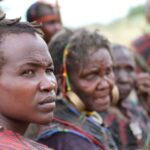
Carlos Ruiz Massieu, speaking for the first time as head of the UN Integrated Office in Haiti (BINUH), highlighted the ongoing challenges facing the country, including widespread gang violence, a severe humanitarian crisis, and an upcoming political transition. He emphasized that despite dire circumstances, the Haitian people continue to demonstrate resilience. The UN official noted… [Read More]
Millions in Syria Still Struggling: UN Calls for Increased Humanitarian Aid

Deputy Special Envoy for Syria, Najat Rochdi, emphasized the critical need for women’s meaningful participation in the country’s political transition, warning that their exclusion could undermine hard-won progress. She highlighted that Syrian women, who have endured and contributed through more than a decade of conflict, should have a full role in shaping the nation’s future…. [Read More]
Millions in Sudan Face Direan HumanitariCrisis, UN Warns
Sudan is facing one of the world’s most severe humanitarian crises, with over 30 million people in urgent need of aid. Among them are 9.6 million internally displaced individuals and nearly 15 million children struggling to survive daily. UN agencies, including UNHCR, IOM, UNICEF, and WFP, have issued a joint appeal for immediate international attention… [Read More]
Haiti’s Agricultural Revolution: Turning Land into a Source of Food Security

Haiti, the poorest country in Latin America and the Caribbean, has long faced extreme rural poverty and acute food insecurity, with 27 percent of rural farmers living in extreme poverty. Agriculture, the primary source of income for these communities, has suffered from chronic under-investment, unsustainable farming practices, and the cumulative impacts of natural disasters. Land… [Read More]
From Policy to Productivity: How Malawi is Transforming Smallholder Farming
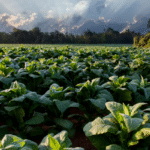
Malawi’s economy heavily relies on agriculture, which contributes nearly a quarter of GDP and employs around three-quarters of the population, primarily through small-scale subsistence farming. In rural areas, 93 percent of Malawians work in the food sector. Despite this, poverty, recurring shocks, and weak livelihoods have intensified food insecurity, with over one in four Malawians… [Read More]
Women Entrepreneurs Driving Job Creation and Economic Growth

In Sub-Saharan Africa, over 80 percent of women are self-employed, managing businesses that range from family farms and market stalls to tech start-ups and film production. At the high-level event Capital to Scale: Supporting Women Entrepreneurs as Job Creators, held during the World Bank-IMF Annual Meetings in Washington, DC, experts discussed how access to capital… [Read More]
Mongolia Enhances Power Grid Reliability and Security with World Bank Support
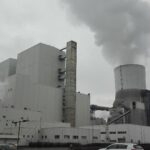
The World Bank has approved a new project to enhance Mongolia’s electricity grid reliability and security while supporting the country’s transition to a low-carbon energy future. The Fourth Energy Sector Project will focus on increasing the capacity and reliability of the Central Energy System’s transmission grid and promoting the integration of renewable energy sources. The… [Read More]
World Bank Backs Moldova’s Initiative to Restore Ecosystems and Combat Pollution

The World Bank’s Board of Executive Directors has approved a US$7.9 million grant for Moldova’s Restoring Ecosystems for Marine Pollution Prevention Project (RE-MAP), financed through the Global Environment Facility (GEF). The project aims to enhance sustainable landscape management within the Dniester River Basin, a critical watershed for both environmental and socio-economic resilience in Moldova. By… [Read More]
Powering Progress: Guinea’s Electricity Surge Supports Small Businesses and Communities

In the mining city of Boké, Guinea, frequent power outages had long stifled productivity, frustrated residents, and fueled social unrest. Entrepreneurs like Safiatou Bangoura struggled to maintain their businesses, relying on costly and polluting generators to keep their workshops running. Daily expenses for fuel consumed much of their earnings, leaving little room for savings or… [Read More]


