The widening Middle East conflict has triggered a sharp global energy shock, with Brent crude remaining above $100 per barrel and placing growing pressure on vulnerable countries. Just over four weeks after Israeli-US bombing of Iran began, disruption to tanker traffic in the Persian Gulf quickly reduced global oil shipments and then spread to natural gas, coal, transport, food, and fertilizer supply chains. As energy prices rise, many households and workers have reportedly returned to using oil and coal, increasing the risk of long-term environmental damage, while several countries have already introduced fuel rationing and shifted some activities online to conserve energy.
The UN Conference on Trade and Development (UNCTAD) has warned that the burden is falling especially hard on Least Developed Countries (LDCs), most of which are net energy importers. While a small number of LDCs such as South Sudan, Angola, Chad, Mozambique, Lao PDR, Myanmar, and Yemen export energy, the majority—including countries such as Zambia, Rwanda, Ethiopia, Tanzania, Madagascar, Bangladesh, Cambodia, and Senegal—depend heavily on imported fuel. This leaves them highly exposed to sudden price spikes and supply disruptions caused by geopolitical conflict.
Even some oil-exporting developing countries are not insulated from the crisis. UNCTAD noted that countries such as Angola may see only limited benefits from higher crude prices because they often lack domestic refining capacity and must import refined petroleum products at higher costs. Countries like Zambia face even greater strain because they rely on refined fuel imported from the Middle East, especially from the UAE. The agency also stressed that many LDCs remain highly dependent on imported fertilizer, whose production relies heavily on natural gas, meaning rising energy costs are likely to further strain agricultural systems and food production.
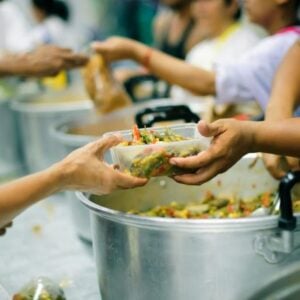
The knock-on effects for food security are particularly alarming. According to the UN Food and Agriculture Organization, 17 of the world’s poorest countries import more than 30 per cent of their cereal needs, while the same number of Least Developed Countries spend over half of their export earnings just to buy food. UNCTAD warned that higher energy prices will quickly feed into rising food costs, worsening hunger risks for already vulnerable households. This is especially concerning in countries where large portions of the population were already struggling with poverty, inflation, and fragile food systems.
The crisis is also difficult to manage because many poorer countries have little fiscal space to respond. Heavy debt burdens and years of pressure on public spending mean governments have limited ability to cushion the impact through subsidies or large-scale support measures. UNCTAD warned that, under these conditions, households are likely to face higher costs for energy, food, and fertilizers while being forced to consume less. It also noted that 15 of the world’s Least Developed Countries still have not recovered from the economic setbacks of the COVID-19 pandemic and remain in worse shape than they were in 2019, making the current shock even more dangerous.
In response, several countries have already introduced emergency measures to reduce consumption and manage shortages. Bangladesh has implemented fuel rationing, electricity restrictions, limits on air-conditioning and lighting, and even university closures. Cambodia has cut public-sector energy use, moved meetings online, limited government travel, introduced temperature controls, reduced fuel taxes, and increased oversight of fuel pricing. Ethiopia has encouraged more frugal fuel use, while Myanmar has imposed fuel rationing, alternate driving days, and mandatory remote work for public officials. Lao PDR has introduced remote work, rotating shifts for civil servants, fuel rationing, transport restrictions, tax cuts and subsidies, alongside campaigns promoting public transport. Senegal has also urged households and businesses to reduce energy consumption as the global energy crunch continues to deepen.