UN human rights chief Volker Türk has warned that repression of civic space and freedom of expression has sharply intensified across the Middle East, worsening an already fearful atmosphere created by multiple conflicts and crises. He said the region is seeing growing restrictions on dissent, with governments using arrests, prosecutions, and intimidation to silence critical voices during the ongoing war and heightened regional tensions.
According to the UN human rights office, Iran accounts for the largest number of reported arrests, with nearly 2,350 people detained since the conflict began. Those arrested reportedly face national security-related charges such as terrorism, dissent, alleged espionage, and cooperation with the enemy. Mr. Türk said many detainees, including those arrested during protests in January and during the current war, are facing harsh conditions, fast-tracked judicial proceedings, and the risk of execution. He noted that eight people have reportedly already been executed, including three linked to mass protests, while dozens more – including children – remain at risk, prompting a call for an immediate halt to all executions.
The human rights chief also highlighted the broader climate of repression beyond Iran. In Bahrain, the UN rights office raised alarm over the reported death in custody of activist Mohammed Al-Mousawi, alongside serious allegations of torture. Authorities there have also reportedly arrested people, including foreign nationals, for filming or sharing content on social media or expressing sympathy for the enemy, while prosecutors in some alleged espionage cases have sought the death penalty. In Qatar and the United Arab Emirates, hundreds of people have also reportedly been detained in connection with filming or sharing information, while in the UAE dozens have been sent to expedited trial, including individuals accused of circulating videos showing the impact of Iranian strikes.
In Kuwait, the UN highlighted a new decree that imposes prison sentences and heavy fines for circulating reports deemed to undermine the military’s prestige or public confidence in it. In Jordan, at least four critics have reportedly been arrested since the conflict began, including members of the Jordanian Communist Party, with some still detained on unclear grounds. Mr. Türk stressed that under international human rights law, all states are obligated to protect freedom of expression and ensure that people can voice critical opinions on major public issues without fear of arbitrary arrest or punishment.
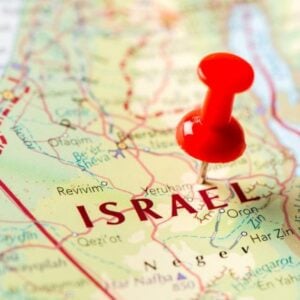
In the Occupied Palestinian Territory, the UN rights office reported that Israeli authorities detained 200 Palestinians between 28 February and 6 March, including for social media posts and allegations of incitement or glorification of the enemy. Israeli security forces have also increased raids on Palestinian communities across the occupied West Bank and tightened movement restrictions. Mr. Türk pointed to the case of a Palestinian school principal in Dura, Hebron, who was reportedly assaulted in front of his family and had his home vandalised by Israeli authorities over a social media post allegedly expressing support for Iran.
Alongside the crackdown on free expression, regional insecurity continues to deepen. Maritime monitors reported that a missile struck a tanker in Qatari territorial waters early Wednesday, though no injuries or environmental damage were reported. Fuel tanks at Kuwait International Airport were also attacked, while additional strikes were reported in Bahrain and in the Iranian capital, Tehran, underscoring the widening regional fallout of the conflict.
The escalating violence has also driven a growing humanitarian crisis. More than 202,400 people have fled Lebanon into Syria, including around 3,100 pregnant women, with about 350 expected to give birth within the next month. These families are arriving in a country still devastated by years of war, often with no belongings, and are sheltering in overcrowded and overstretched temporary facilities. The UN Population Fund has warned that the lack of food, medicine, sanitation, and protection is exposing women and girls to heightened risks of sexual abuse and exploitation. Although UNFPA is distributing hygiene kits and deploying mobile teams, severe funding cuts have forced the closure of a third of its facilities in Syria, raising concerns about the ability to meet urgent humanitarian needs.