UN officials have strongly condemned the recent deaths of peacekeepers serving with the UN Interim Force in Lebanon (UNIFIL), after three personnel were killed within 24 hours at the end of March. The incidents were described as unacceptable, with calls for full accountability, and the UN stressed that attacks on peacekeepers may constitute war crimes under international law. The head of UN Peace Operations, Jean-Pierre Lacroix, told troop-contributing countries that the organization is committed to establishing the full facts and circumstances surrounding the deaths and injuries suffered by the mission’s personnel.
The deaths come amid continuing hostilities between Israeli forces and Hezbollah militants, which have caused widespread devastation and displacement in Lebanon. More than 1,200 people have reportedly been killed and over 3,500 injured, including many women, children, and first responders. The violence has also forced more than 200,000 people to flee from Lebanon into neighbouring Syria. UN officials said the situation on the ground is being closely monitored in order to improve safety and reduce risks for peacekeepers, while also expressing appreciation for the dedication of personnel serving under difficult conditions in the Middle East.
In Haiti, a new UN mission has begun operations to support the Security Council-backed Gang Suppression Force, as the Caribbean nation continues to face a deepening security crisis. Criminal gangs have terrorized communities for years through killings, sexual violence, kidnappings for ransom, extortion, and the recruitment of children. The UN Support Office in Haiti (UNSOH) will provide logistical and operational assistance to the force, including accommodation, medical care, food, water, waste management, electricity, fuel, transport, aviation, information and communications technology, and security services.
The Gang Suppression Force is a multinational mission mandated by the UN Security Council to combat armed gangs, protect key infrastructure, and help create the security conditions needed for elections and the delivery of humanitarian assistance. Gangs are believed to control around 90 per cent of the capital, Port-au-Prince, and have increasingly expanded into rural areas. Once fully deployed, the force is expected to include about 5,550 personnel, reflecting the scale of the challenge facing the country.
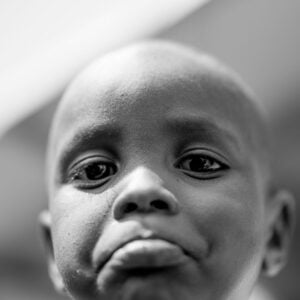
Meanwhile, UNICEF has warned that drought, conflict, and cuts in aid funding could lead to a worsening humanitarian disaster for children in Somalia. In Baidoa, the capital of South West State, large numbers of families have fled their homes in search of shelter and support, and the town is now hosting around 430,000 displaced people. UNICEF is providing emergency treatment and fortified milk for severely malnourished children, noting that while many survive with care, malnutrition is rising as the drought persists.
The crisis in Somalia has been made worse by renewed conflict in South West State, where tensions and clashes have displaced around 45,000 people in just one week. Humanitarian Coordinator George Conway called for de-escalation, warning that the new violence is placing even greater pressure on already overwhelmed displacement sites, where nearly 30 per cent of the population was already struggling with the combined effects of severe drought and prolonged hardship.