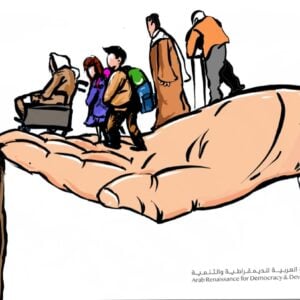
The ongoing conflict in Sudan has triggered a large-scale displacement crisis, forcing hundreds of thousands of refugees and returnees into eastern Chad. As a result, the total number of displaced people in the country has surged to nearly 2.2 million, with women and children making up the overwhelming majority. This rapid influx has placed immense pressure on already fragile systems, leading to deteriorating living conditions and increasing vulnerability among affected populations.
One of the most critical challenges is the strain on maternal health services. Chad already faces extremely high maternal mortality rates, and the current crisis has pushed healthcare systems to their limits. Tens of thousands of pregnant women are among the displaced, with a significant number of births expected in the coming months. Without access to adequate medical care, including emergency obstetric services, both mothers and newborns face serious and immediate risks.
Protection concerns are also escalating, particularly for women and girls. Many individuals fleeing violence in Sudan have encountered further risks in overcrowded and under-resourced camps in Chad. Inadequate lighting, lack of privacy, and limited protection services have contributed to rising incidents of gender-based violence, including sexual assault and forced child marriage. These conditions are further exacerbated by economic hardship, which drives families to adopt harmful coping mechanisms.
Humanitarian efforts to address these challenges are being severely hindered by funding shortfalls. Previous cuts have already led to the closure of critical safe spaces for women and girls, reducing access to essential services such as counseling, legal support, and protection. Although efforts are underway to scale up response activities, including deploying trained personnel and reopening facilities, the lack of sufficient funding continues to limit the reach and effectiveness of these interventions.
Overall, the situation in eastern Chad underscores the urgent need for increased international support. Without immediate financial assistance, essential health and protection services may fail to meet the growing demand, putting thousands of lives at risk. Strengthening funding commitments will be crucial to ensuring that vulnerable populations, particularly women and girls, receive the care and protection they need in the midst of an escalating humanitarian crisis.