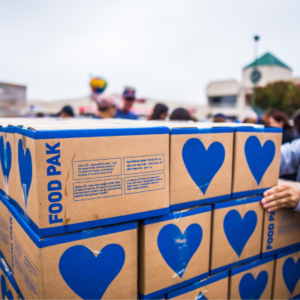
The International Federation of Red Cross and Red Crescent Societies (IFRC) has warned that the ongoing conflict in the Middle East is increasingly disrupting humanitarian supply chains, making it both more expensive and slower to deliver essential aid to vulnerable communities worldwide.
According to the organisation, its global supply chain hub in Dubai continues to operate, but wider disruptions in international transport networks are creating significant challenges. Shipping schedules have been affected, routes are being redirected, and congestion at key transport points is increasing. As a result, humanitarian agencies are being forced to rely on longer overland routes and alternative logistics arrangements to keep aid moving.
These disruptions are having a direct impact on the cost and speed of delivering humanitarian goods. IFRC noted that at a time when many humanitarian budgets are already under pressure, rising transport expenses could limit the amount of assistance that can reach people in need. The organisation emphasised that these changes ultimately affect the most vulnerable populations who depend on timely humanitarian support.
Transport costs are shifting rapidly, but current trends show notable increases across different modes of shipping. Sea freight costs have risen by around 70 percent overall, with spikes reaching as high as 300 percent on some routes. These increases are largely driven by schedule disruptions, rerouting, and port congestion. In addition, reduced sailings from the United Arab Emirates are forcing humanitarian shipments to be moved by road to alternative ports such as Jeddah, which can cost about $5,000 per container.
Land transport across international and cross-border routes has also become more expensive, with costs rising by roughly 20 to 30 percent. The increase is linked to growing delays at border crossings, shortages of drivers, tighter transport capacity across Gulf Cooperation Council corridors, and fluctuations in fuel prices.
Air freight costs have risen as well, with increases estimated at around 50 to 70 percent depending on the route. The shift from sea transport to air cargo, combined with limited capacity and fluctuating fuel surcharges, has contributed to these higher prices.
The IFRC cautions that if these trends continue, humanitarian operations could face further logistical challenges in delivering aid efficiently. With global needs rising and resources under strain, disruptions to supply chains are becoming an additional hurdle for organisations working to provide emergency assistance in crisis-affected regions.