• Skip to primary navigation
  • Skip to main content
  • Skip to primary sidebar

fundsforNGOs News

Grants and Resources for Sustainability

  • Subscribe for Free
  • Premium Support
  • Premium Login
  • Premium Sign up
  • Home
  • Funds for NGOs
    • Agriculture, Food and Nutrition
    • Animals and Wildlife
    • Arts and Culture
    • Children
    • Civil Society
    • Community Development
    • COVID
    • Democracy and Good Governance
    • Disability
    • Economic Development
    • Education
    • Employment and Labour
    • Environmental Conservation and Climate Change
    • Family Support
    • Healthcare
    • HIV and AIDS
    • Housing and Shelter
    • Humanitarian Relief
    • Human Rights
    • Human Service
    • Information Technology
    • LGBTQ
    • Livelihood Development
    • Media and Development
    • Narcotics, Drugs and Crime
    • Old Age Care
    • Peace and Conflict Resolution
    • Poverty Alleviation
    • Refugees, Migration and Asylum Seekers
    • Science and Technology
    • Sports and Development
    • Sustainable Development
    • Water, Sanitation and Hygiene (WASH)
    • Women and Gender
  • Funds for Companies
    • Accounts and Finance
    • Agriculture, Food and Nutrition
    • Artificial Intelligence
    • Education
    • Energy
    • Environment and Climate Change
    • Healthcare
    • Innovation
    • Manufacturing
    • Media
    • Research Activities
    • Startups and Early-Stage
    • Sustainable Development
    • Technology
    • Travel and Tourism
    • Women
    • Youth
  • Funds for Individuals
    • All Individuals
    • Artists
    • Disabled Persons
    • LGBTQ Persons
    • PhD Holders
    • Researchers
    • Scientists
    • Students
    • Women
    • Writers
    • Youths
  • Funds in Your Country
    • Funds in Australia
    • Funds in Bangladesh
    • Funds in Belgium
    • Funds in Canada
    • Funds in Switzerland
    • Funds in Cameroon
    • Funds in Germany
    • Funds in the United Kingdom
    • Funds in Ghana
    • Funds in India
    • Funds in Kenya
    • Funds in Lebanon
    • Funds in Malawi
    • Funds in Nigeria
    • Funds in the Netherlands
    • Funds in Tanzania
    • Funds in Uganda
    • Funds in the United States
    • Funds within the United States
      • Funds for US Nonprofits
      • Funds for US Individuals
      • Funds for US Businesses
      • Funds for US Institutions
    • Funds in South Africa
    • Funds in Zambia
    • Funds in Zimbabwe
  • Proposal Writing
    • How to write a Proposal
    • Sample Proposals
      • Agriculture
      • Business & Entrepreneurship
      • Children
      • Climate Change & Diversity
      • Community Development
      • Democracy and Good Governance
      • Disability
      • Disaster & Humanitarian Relief
      • Environment
      • Education
      • Healthcare
      • Housing & Shelter
      • Human Rights
      • Information Technology
      • Livelihood Development
      • Narcotics, Drugs & Crime
      • Nutrition & Food Security
      • Poverty Alleviation
      • Sustainable Develoment
      • Refugee & Asylum Seekers
      • Rural Development
      • Water, Sanitation and Hygiene (WASH)
      • Women and Gender
  • News
    • Q&A
  • Premium
    • Premium Log-in
    • Premium Webinars
    • Premium Support
  • Contact
    • Submit Your Grant
    • About us
    • FAQ
    • NGOs.AI
You are here: Home / cat / Belarus Strengthens Systems to End Tuberculosis

Belarus Strengthens Systems to End Tuberculosis

Dated: March 25, 2026

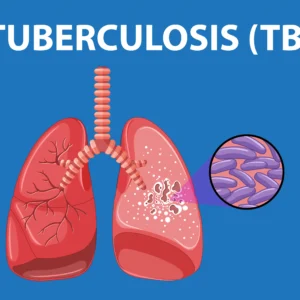
On World TB Day, the global community highlighted the message, “Yes! We can end TB!” In 2024, 10.7 million people fell ill with tuberculosis worldwide, and 1.23 million died. The WHO European Region accounted for 1.9% of global TB cases. The World Health Organization emphasizes that ending TB is achievable with strong systems, strategic investments, and effective partnerships, a vision that UNDP is helping implement in Belarus.

In Belarus, TB diagnosis and treatment have been transformed by modern approaches. Most patients can now be diagnosed within a single day, with prompt treatment often on an outpatient basis, supported by digital tools and patient-centered care. In 2025, 1,199 people were diagnosed with TB in Belarus, primarily men, urban residents, and nearly 60% of working age. Patients receive comprehensive care, including psychological and social support, counselling, and case management, helping them maintain treatment adherence and stability in daily life. While stigma and challenges remain, especially for drug-resistant TB, the disease is no longer a life-defining condition.

Ending TB in Belarus is a national development priority aligned with the Sustainable Development Goals. Over the past decade, TB incidence has declined nearly threefold, mortality has reached historic lows of 0.9 per 100,000, and treatment success rates, including for drug-resistant TB, exceed 80%. Belarus’s National Sustainable Development Strategy sets ambitious targets to reduce TB incidence by 80% and mortality by 90% by 2030 compared to 2015 levels. Universal access to care ensures that treatment does not create financial hardship.

UNDP supports Belarus in building resilient and transparent systems for TB elimination. The Country Coordinating Mechanism (CCM) guides the national response, bringing together government, civil society, and development partners while monitoring effectiveness. In partnership with the Global Fund to Fight AIDS, Tuberculosis and Malaria, UNDP supports access to quality TB medicines and diagnostics, having procured more than 7,500 TB medicine packages and over 2,000 diagnostic kits between 2023 and 2024. The country is transitioning to all-oral treatment regimens and uses over 1,000 devices for video-observed treatment, enabling patients to take medication at home under remote supervision. Mobile diagnostic units expand access for elderly people, those in remote areas, and people with disabilities, ensuring that patients can reach specialized care when needed.

Beyond the health system, UNDP works with national partners and civil society to strengthen community-based responses. This includes psychosocial support, treatment adherence support, outreach to vulnerable populations, and efforts to reduce stigma and discrimination. Looking ahead, Belarus plans to scale up innovative treatment approaches, expand digital monitoring and data systems, strengthen outpatient patient-centered care, increase focus on prevention including latent TB, and enhance institutional sustainability. Through resilient health systems, strong coordination, and sustainable access to care, UNDP helps Belarus make lasting progress toward the elimination of tuberculosis.


Related Posts

  • World TB Day 2026 Explained
  • MDR-TB Treatment in Eswatini Shows Promising Outcomes
  • WHO and Pakistan Intensify Action Against Tuberculosis
  • WHO Calls for Political Commitment to End Tuberculosis
  • Tanzania Advances TB Fight with Faster Diagnosis

Primary Sidebar

Latest News

Energy Transition Lessons for Brighton & Hove from Bristol City Leap

Biodiversity Loss Risks Economic Growth in Asia-Pacific

Dengue Fever Challenges: Why Vaccines Aren’t Enough

FAIRR Corporate Dialogues: Turning Disclosure into Action

Costa Rica Advances Education with UN Digital Compact Initiatives

Belarus Strengthens Systems to End Tuberculosis

Emergency Alerts in Uzbekistan to Be Broadcast via Mosques

Millions at Risk in Africa as Middle East Crisis Deepens

Madagascar: UNESCO Mobilizes Aid for Cyclone Gezani-Affected Schools and Media

Over 42,000 Learning Materials Handed to South Sudan Universities

EU Grants €20M to Boost Kyiv’s Emergency Heating System

EU Commission Approves €2.7B for 54 Clean Industry Projects

Kenya Invests $15M to Transition Children to Family-Based Care

Build Crisis Reporting Tools: UNDP Global Challenge 2026

Disney Conservation Fund Awards Global Grants for Earth Month

Oldham Council Secures £5.7M to Aid Residents in Cost-of-Living Crisis

Local Communities Receive £1.1M for Skills Training

Belarus Rights Crisis Needs Sustained Global Scrutiny

Europe’s Economic Security Starts With Human Rights

ILO Asked to Reject Saudi Bid to Dismiss Workers’ Rights Complaint

Western Sahara Self-Determination at Risk, UN Warns

Global Call for ILO to Resist Saudi Demand on Migrant Labour Case

Zimbabwe Unveils Farmed Tilapia Marketing Strategy

Closing Gender Gap in Agrifood Systems Can Cut Food Insecurity

WHO and The Lancet Highlight Social Prescribing in New Series

WHO Responds to United States Withdrawal Notice

WHO Calls for Political Commitment to End Tuberculosis

Lebanon’s Health System Receives Critical Support

WHO and Pakistan Intensify Action Against Tuberculosis

Tanzania Advances TB Fight with Faster Diagnosis

WHO Uses Zero-Dose Data to Reach Every Child

Tanzania Launches Polio Vaccination Campaign to Protect Children

MDR-TB Treatment in Eswatini Shows Promising Outcomes

WHO Recommends New Diagnostic Tools to Help End TB

EU Strengthens Aid for Lebanon Amid Deepening Crisis

EIB Global, BOI Boost Private Sector and Agriculture in Nigeria

EIB Global, BOI Partner to Boost Healthcare Projects in Nigeria

€200M Climate Investment Credit Line in Vietnam by EIB Global & Techcombank

New BFI Funding Targets Data Gaps in UK Independent Film Industry

Mentoring Charity Expands in Scotland with £1 Million Boost

Funds for NGOs
Funds for Companies
Funds for Media
Funds for Individuals
Sample Proposals

Contact us
Submit a Grant
Advertise, Guest Posting & Backlinks
Fight Fraud against NGOs
About us

Terms of Use
Third-Party Links & Ads
Disclaimers
Copyright Policy
General
Privacy Policy

Premium Sign in
Premium Sign up
Premium Customer Support
Premium Terms of Service

©FUNDSFORNGOS LLC.   fundsforngos.org, fundsforngos.ai, and fundsforngospremium.com domains and their subdomains are the property of FUNDSFORNGOS, LLC 1018, 1060 Broadway, Albany, New York, NY 12204, United States.   Unless otherwise specified, this website is not affiliated with the abovementioned organizations. The material provided here is solely for informational purposes and without any warranty. Visitors are advised to use it at their discretion. Read the full disclaimer here. Privacy Policy. Cookie Policy.