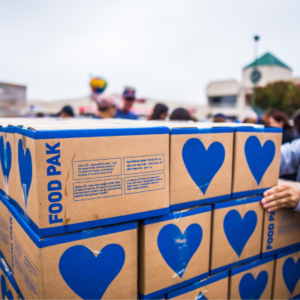
The European Union is increasing its support for Lebanon as violence escalates and large-scale displacement deepens the humanitarian crisis, reaffirming its commitment to the country’s stability and the well-being of its people. Building on the €100 million in humanitarian aid announced the previous week, the EU is also mobilising measures under its broader €1 billion financial support package for Lebanon covering the 2024–2027 period. This expanded response is intended to address urgent needs on the ground while also supporting essential services and institutions during a period of severe instability.
European Commissioner for the Mediterranean Dubravka Šuica said the EU remains a steadfast partner to Lebanon in times of crisis. She stressed that, alongside humanitarian assistance, the EU is working closely with Lebanese authorities and international and regional partners to ensure continued access to basic services, respond to the immediate needs of the most vulnerable, and continue advocating for de-escalation and the protection of civilians. She also underlined that the EU will maintain its support for Lebanon’s security forces, recognising their important role in preserving stability.
To help families displaced by the worsening violence, the EU has committed an additional €10 million in cash assistance for 100,000 vulnerable households. This support will be delivered through Lebanon’s government-led social safety net programme, aiming to provide direct relief to those most affected by displacement and economic hardship. The measure is designed to help households meet urgent daily needs during the crisis and reduce the immediate burden on communities facing growing insecurity.
With Lebanon’s health system under severe pressure, the EU has also strengthened emergency health support by deploying more than 20 EU-funded mobile medical units. These units are operating across 67 collective shelters and areas placed under evacuation orders to ensure that affected populations continue to receive essential healthcare services. This intervention is particularly important as displacement increases and local health facilities struggle to cope with rising demand and the impact of the ongoing violence.
In the education sector, the EU is adapting its response to help ensure that learning can continue despite the disruption caused by the crisis. It is supporting remote education for 50,000 students and providing digital training tools for 8,000 teachers so that schools and educators can continue reaching children under difficult circumstances. In addition, the EU is expanding integrated education and child protection services in shelters and temporary learning spaces, with the goal of reaching a total of 150,000 children and young people through both in-person and community-based programmes.
The EU is also reinforcing support for the Lebanese government’s National Operations Room, which plays a central role in coordinating the country’s emergency response. By strengthening this coordination mechanism, the EU aims to improve the efficiency and effectiveness of relief efforts as the humanitarian situation continues to evolve. This institutional support is part of a broader effort to help Lebanon manage the immediate crisis while maintaining core systems of governance and response.
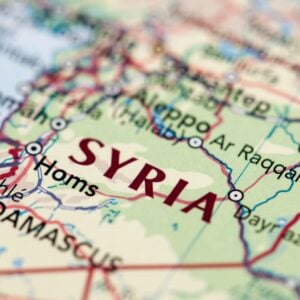
In addition, through its programme for durable solutions for Syrian refugees, the EU is assisting displaced populations by supporting border monitoring and the management of movements at key crossing points. This includes helping ensure basic assistance for people crossing from Lebanon into Syria, as the conflict-driven displacement affects both Lebanese communities and refugee populations. Through these combined measures, the EU is seeking to respond not only to urgent humanitarian needs but also to the broader regional implications of the crisis.