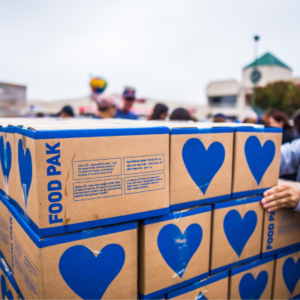
Humanitarian needs are increasing across Gaza Strip as access to aid remains constrained amid the ongoing conflict in the Middle East, according to the United Nations Relief and Works Agency for Palestine Refugees in the Near East (UNRWA). The agency warned that many families continue to face severe hardship while living in overcrowded shelters or damaged homes.
UNRWA reported that essential supplies such as tents, bedding and other basic items are rapidly running out. At the same time, the United Nations Office for the Coordination of Humanitarian Affairs (OCHA) noted that some humanitarian workers have been forced to purchase clothing, bedding and kitchen supplies from local markets due to dwindling stocks and limited access to aid deliveries.
Despite the challenges, the United Nations and its partners continue to deliver critical assistance. However, OCHA emphasized that supplies are shrinking because of increased restrictions that have followed the recent regional escalation. Aid teams have managed to collect more than 400,000 litres of fuel and several truckloads of water, sanitation and hygiene supplies through ongoing operations.
Humanitarian agencies also highlighted significant bottlenecks affecting aid delivery. Currently, the Kerem Shalom crossing remains the only operational crossing through which both humanitarian and commercial cargo can enter Gaza. According to OCHA, relying on a single entry point is not sustainable, as it creates delays and limits the amount of assistance reaching people in need.
The United Nations has also indicated readiness to expand operations if conditions improve. UN Deputy Spokesperson Farhan Haq said that while the recent Israeli announcement regarding the reopening of the Rafah crossing has not yet been implemented, the UN stands prepared to resume medical evacuations and support people returning to Gaza once access becomes possible.
UN officials continue to call for safe and unhindered humanitarian access to ensure aid can reach affected communities. Meanwhile, Philippe Lazzarini, head of UNRWA, warned about the risks of growing impunity and the normalization of violations in the conflict, stressing that failing to address abuses could have broader global consequences.