Amnesty International has called on Israel, the United States, and the Islamic Republic of Iran to immediately cease unlawful attacks on energy infrastructure, emphasizing the catastrophic risks to civilians and the environment. Recent airstrikes by Israeli-US forces targeted multiple fuel storage and distribution facilities in Iran, while Iranian military actions have affected oil and gas infrastructure across several Gulf states. These attacks have caused uncontrolled fires, toxic chemical exposure, and disruptions to essential services like electricity, heating, and water, raising serious concerns about potential violations of international humanitarian law and possible war crimes.
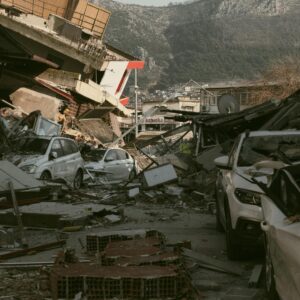
In Iran, strikes on fuel depots in Tehran and surrounding areas have triggered massive fires, thick smoke, and oil-contaminated rainfall, posing serious health hazards including respiratory illnesses, skin burns, and long-term risks such as cancer. Local authorities reported structural damage to residential buildings and critical facilities, including a dialysis center near Fardis. These attacks exacerbate the suffering of populations already affected by chronic state mismanagement, political repression, and restricted access to basic services.
Gulf countries have also faced significant impacts from Iranian drone and missile attacks. Facilities in Saudi Arabia, Qatar, Kuwait, Bahrain, Oman, and the UAE have been targeted, resulting in fires, injuries, temporary shutdowns, and force majeure declarations by energy companies. These disruptions have affected LNG production, oil refining, and shipping through the Strait of Hormuz, threatening regional and global energy, food, and fertilizer supply chains and contributing to economic instability.
Amnesty International highlighted the obligations under international humanitarian law for all parties to avoid disproportionate civilian harm, take precautions against toxic exposure, and ensure attacks on military objectives do not endanger civilian populations. The organization also stressed the importance of protecting fuel supply and distribution networks, as they are critical for transportation, food security, and industrial activity. The ongoing conflict has resulted in significant casualties: over 1,255 deaths in Iran, 17 in the Gulf states, 570 in Lebanon, and 12 in Israel, including many foreign nationals, underscoring the urgent need for restraint and the protection of civilians.