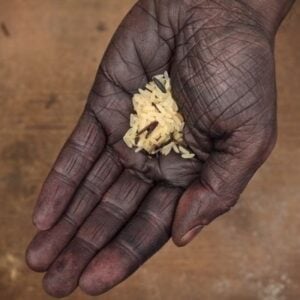
Humanitarian organizations in Somalia have warned that millions of people are facing an escalating hunger crisis, urging international donors to increase funding immediately to prevent widespread loss of life. In an open letter, dozens of NGOs highlighted the critical situation, emphasizing that lives are at imminent risk due to rising food insecurity and malnutrition across the country.
According to the latest Integrated Food Security Phase Classification (IPC) assessment, around 6.5 million Somalis are projected to experience severe acute food insecurity between February and March, nearly double the crisis-level population recorded in August 2025. The report also estimates that approximately 1.85 million children under five could suffer from acute malnutrition, including about 483,000 cases of severe acute malnutrition requiring urgent treatment.
The NGOs stressed that the crisis is already evident in communities, with children too weak to cry, mothers skipping meals, and families displaced by drought, floods, and conflict. Women and girls are particularly vulnerable, facing increased risks of gender-based violence during displacement and long journeys for water and firewood.
Funding cuts from traditional donors are severely constraining humanitarian response efforts. While aid agencies retain access, community trust, and technical capacity to deliver life-saving services such as nutrition, water, sanitation, healthcare, and protection, they lack the financial resources to scale up operations. The NGOs called on major donors, including the United States, European Commission, United Kingdom, Sweden, Germany, Norway, and the World Bank, to increase contributions to Somalia’s 2026 Humanitarian Response Plan, which seeks $852 million to assist 4.8 million people but remains significantly underfunded.
The worsening drought, driven by repeated climate shocks, has devastated livelihoods, particularly for pastoralist and farming communities, forcing many families to abandon their homes in search of food and water. The crisis is further exacerbated by declining international aid, which threatens the ability of humanitarian actors to expand interventions that previously helped prevent famine conditions.
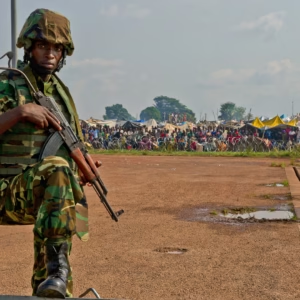
Political uncertainty and security challenges add to the complexity of the crisis. Somalia faces a constitutional deadlock that slows national decision-making, while armed groups like Al-Shabaab and Islamic State-linked militants maintain influence in rural areas. These combined pressures underscore the urgent need for coordinated international support to address the severe hunger, malnutrition, and humanitarian emergency unfolding in Somalia.