The United Kingdom, Germany, Ireland, the Netherlands, and Norway announced on February 26 the creation of a new coalition aimed at preventing atrocities and promoting justice in Sudan. Formed by countries that make up the Sudan Core Group at the Human Rights Council, the initiative comes at a time when violence in the country continues to escalate, presenting a significant challenge for the coalition as it seeks to respond effectively to the crisis.
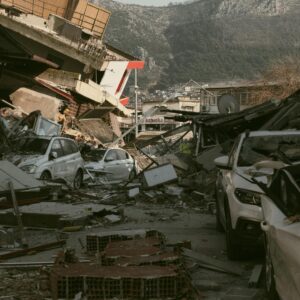
The announcement followed the capture of El Fasher in North Darfur by the Rapid Support Forces (RSF). United Nations findings indicated that RSF attacks in the region bore the hallmarks of genocidal violence. For more than 18 months prior, human rights organizations had warned about the growing risk of atrocities as RSF forces besieged and bombarded the city. Despite these warnings, international efforts—including those by members of the newly formed coalition—failed to adequately protect civilians.
In recent months, both the RSF and the opposing Sudanese Armed Forces have increasingly used drones in their operations, particularly in the Kordofan region. These attacks have reportedly targeted aid convoys, damaged civilian infrastructure, and resulted in civilian casualties. The situation highlights the dangers posed when armed groups continue to receive weapons, prompting calls for the coalition to prioritize efforts to stop the flow of arms to abusive forces.
The coalition is also encouraged to focus on strengthening civilian protection by supporting the establishment of a new United Nations Security Council–authorized protection mission and developing plans for its operational structure. Additionally, members should provide political and financial support to local humanitarian responders who are frequently targeted, including creating mechanisms to track attacks on aid workers and hold responsible parties accountable.
Advancing accountability for crimes committed in Sudan is another key area where the coalition can contribute. This includes ensuring that justice remains central to political negotiations, advocating for the expansion of the International Criminal Court’s jurisdiction to cover the entire country, and encouraging the use of universal jurisdiction to prosecute serious crimes.
Ultimately, the coalition’s effectiveness will depend on its ability to mobilize broader international cooperation. Working closely with the United Nations’ newly appointed personal envoy for Sudan and engaging partners such as the African Union, regional governments, and additional European Union states will be essential to strengthening global action. While the coalition offers a potential source of hope, its success will require sustained political commitment to prevent warring parties and their supporters from continuing to act with impunity.