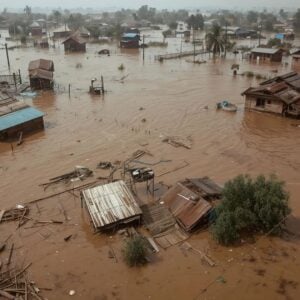
The 57th Session of the United Nations Statistical Commission has endorsed the Global Disaster-Related Statistics Framework (G-DRSF), marking the first global agreement aimed at improving how disaster-related data is defined, collected and used within national statistical systems. The framework creates a shared statistical structure that brings together National Statistical Offices, disaster management agencies and other data-producing institutions to improve the quality, consistency and comparability of disaster statistics worldwide.
Reliable data is essential for effective disaster risk reduction, as understanding exposure, vulnerability and the impact of disasters requires more than isolated reports. The new framework provides a unified statistical foundation that helps countries analyse risks before, during and after disasters. It supports the systematic recording of key information, including impacts on people such as deaths, injuries and displacement, damage to assets like housing and infrastructure, economic losses and additional costs, as well as investments made in disaster risk reduction and preparedness.
By integrating data on exposure, vulnerability and coping capacity, the framework also emphasises the importance of continuously measuring disaster risks. This approach recognises that different populations may face varying levels of risk and resilience during hazardous events. With better data integration, governments can strengthen prevention strategies, improve planning and support forward-looking risk modelling.
The framework is the result of several years of global collaboration involving statistical, disaster risk reduction, geospatial and climate communities. It was developed following recommendations from an intergovernmental expert group that called for international standards on disaster statistics. In response, the UN Statistical Commission established the Inter-Agency and Expert Group on Disaster-Related Statistics to lead the development of a globally agreed framework. The process included expert forums, regional consultations and contributions from multiple international organisations and national institutions.
The Global Disaster-Related Statistics Framework also supports major global agendas, including the Sendai Framework for Disaster Risk Reduction, the Sustainable Development Goals and climate adaptation initiatives. Importantly, it does not introduce new reporting requirements but instead strengthens existing national data systems and promotes greater coherence across different frameworks, helping reduce duplication and improve data comparability.
As disaster risks become more complex and interconnected, stronger statistical systems are increasingly important for policymaking, risk assessment and financing decisions. The adoption of the framework provides countries with a common global reference that can evolve over time as methods improve and data needs change.
Complementing the framework, initiatives such as UNDRR’s DELTA Resilience programme and Risk to Resilience Metrics are helping countries operationalise disaster data systems. These initiatives support the tracking of hazardous events and their impacts while promoting advanced risk analysis tools that can guide evidence-based policies, investments and resilience planning.