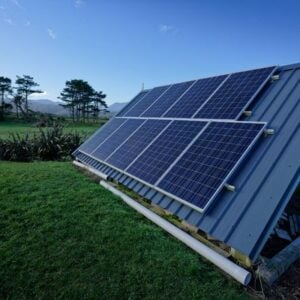
Eastern Province in Zambia is experiencing a quiet transformation as rural communities adopt renewable energy solutions powered by the sun, water, and biomass. Through the Joint Sustainable Development Goals (JSDG) Project, communities in Chipata, Mambwe, Lundazi, and Petauke districts are using clean energy to improve livelihoods, create green jobs, and strengthen resilience to climate change. The initiative, implemented by the International Labour Organization (ILO), United Nations Children’s Fund (UNICEF), and United Nations Development Programme (UNDP), aims to accelerate the adoption of sustainable energy solutions while supporting rural entrepreneurs, farmers, and training institutions to boost productivity and economic growth.
As part of the project, 40 micro, small and medium enterprises (MSMEs) and instructors from technical education, vocational, and entrepreneurship training institutions in Eastern Province have been trained to support Zambia’s clean energy transition. By promoting business innovation and integrating renewable energy into training programmes, the initiative is helping build a supportive ecosystem for inclusive green growth, job creation, and the wider adoption of sustainable energy technologies.
A key example of this transformation is the farming community of Nkhundye, located about 50 kilometres east of Petauke town and home to around 600 households. The community has adopted solar and bioenergy technologies for household use and agro-processing, improving food security while reducing costs for families. A biogas mini-energy facility now provides clean lighting and cooking fuel to households and powers a generator that pumps water to vegetable gardens, enabling year-round farming and better nutrition for residents.
The biogas system is supported by a communal kraal capable of holding up to 300 cattle. Livestock dung collected daily from the kraal is used to produce biogas, turning agricultural resources into a reliable energy source. This approach has brought major benefits, particularly for women, who no longer rely on firewood for cooking. As a result, exposure to harmful smoke and the burden of collecting firewood have been significantly reduced, while households now have easier access to clean water supplied through solar-powered pumps and storage systems.
Energy from the facility is distributed through underground pipes to homes within a 100-metre radius, while households further away receive biogas in portable inflatable bags that last several days. The energy is provided free of charge, ensuring that all families benefit from the initiative regardless of their income level. Residents report that the shift to clean energy has reduced household workloads and created more time for farming and other productive activities.
Encouraged by the project’s success, the community has begun constructing a second kraal with the capacity to hold up to 1,000 cattle. This expansion will allow the village to achieve full energy self-sufficiency while reducing pressure on surrounding forests. Community leaders hope to replicate the model in other villages across Petauke district and beyond, demonstrating how locally available resources can be used to create affordable, sustainable energy systems that support livelihoods and environmental protection.