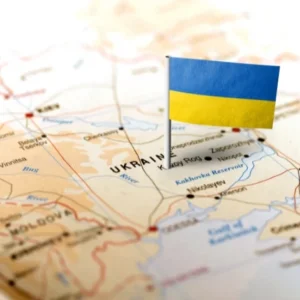
The “Salvia” Family Violence Victim Rehabilitation Service was inaugurated on 3 February in the south of the country, providing 15 new accommodation places for survivors of violence, including spaces adapted to the needs of persons with disabilities. Located 40 km from the Ukrainian border, the center operates as a cross-border crisis facility, offering support to both refugee women from Ukraine and women from the Republic of Moldova. The project was established under the Ministry of Labor and Social Protection with the support of UNFPA Moldova, in collaboration with UNFPA Ukraine, funded by the Government of the United Kingdom, and implemented in partnership with AO Homecare and local public authorities.
Natalia Plugaru, Minister of Labor and Social Protection, emphasized that the Salvia Center is a place of safety, support, and respect, enabling women and children affected by violence to live with dignity and access the support needed for a fulfilling life. The center is part of broader efforts to develop comprehensive support services for survivors of gender-based violence (GBV) across the country.
Statistics indicate that in the Republic of Moldova, seven out of ten women experience physical, psychological, economic, or sexual violence and require specialized services. Women refugees from Ukraine face additional trauma caused by the ongoing war and heightened risks of violence, making safe spaces like Salvia essential. Fern Horine, UK Ambassador to Moldova, highlighted that one in four shelters for survivors of violence in the country has been created with the support of the UK government, underlining the importance of these facilities for protection and recovery.
Ludmila Sîrbu, Acting Deputy Representative of UNFPA in Moldova, noted that the Salvia Center is unique for its cross-border model developed with UNFPA Ukraine. The center incorporates an SMS-based information system and online psychosocial and legal support services, ensuring timely assistance for women from Ukraine while providing a safe and welcoming environment for all women in Moldova who need protection and recovery.
Justyna Janina Bajer, UNFPA Ukraine’s Emergency Response Coordinator, stressed the critical role of the shelter in providing continuity of protection and support for Ukrainian women affected by the war, emphasizing that Salvia represents peace, hope, and a tangible response to violence and displacement.
The opening of the Salvia Center expands Moldova’s national shelter network, complementing the Magnolia Center in the north inaugurated in 2025. Together, these centers strengthen the country’s response to gender-based violence through inclusive, survivor-centered services, fulfilling the requirements of the Istanbul Convention and advancing Moldova closer to European Union standards in the prevention and combat of violence.