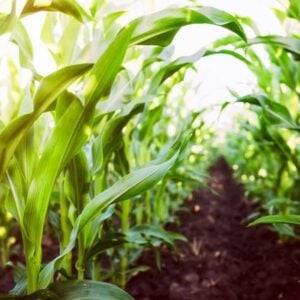
Agroforestry in the community of Tsiatosika was designed to address land degradation, food insecurity, and livelihood challenges by combining local knowledge with sustainable farming practices. Led by agricultural engineer Cédric Andriamananarivo Doriens, the initiative focuses on restoring degraded land, strengthening food production, and diversifying incomes through agroforestry systems that work in harmony with the environment. By integrating training, reforestation, and crop cultivation, the project supports families in building resilient agricultural systems that can better withstand climate pressures.
Support from The Pollination Project seed grant played a critical role in translating this vision into tangible results. Through the grant, one hectare of degraded land was restored with the planting of 1,200 native, endemic, fruit, and crop seedlings, achieving a survival rate of more than 99%. In parallel, 90 community members received practical training in agroforestry, nursery management, and sustainable agriculture, allowing them to immediately apply new skills in the field.
The grant also facilitated the distribution of coffee, clove, Dalbergia seedlings, and cabbage seeds, leading to an initial harvest that generated approximately $900 in income for the community. Overall, the project directly benefited 90 people and mobilised volunteer support, contributing to improved food sovereignty while reducing reliance on natural forests. These early outcomes helped build community confidence in agroforestry as a viable and productive pathway for the future.
Building on this progress, the project has established a community nursery to support ongoing planting and long-term restoration efforts. Continued monitoring, refresher training sessions, and emerging partnerships are helping expand agroforestry practices to neighbouring farms and strengthen local capacity. With sustained commitment to climate-smart agriculture and community-led action, the initiative is laying the groundwork for lasting environmental restoration and more resilient livelihoods in Tsiatosika.