The latest fatalities in Sudan come amid escalating violence, particularly across the Kordofan region, putting civilians at extreme risk and driving displacement, according to UN Spokesperson Stéphane Dujarric. Rival militaries have been fighting for control of Sudan since April 2023, with the Rapid Support Forces (RSF) militia gaining ground in the west and south, while Sudan’s military holds most of the east, including the capital, effectively partitioning the country. Recent drone strikes in North Darfur, a region at the epicentre of Sudan’s hunger crisis, caused additional casualties just days before the country reaches the 1,000th day of deadly fighting.
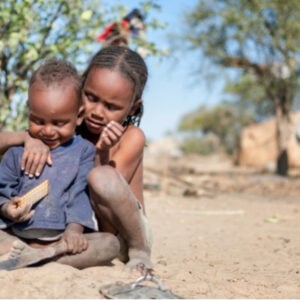
Violence continues to displace civilians across the Kordofans. Between 31 December and 4 January, nearly 1,000 people fled a locality in South Kordofan, while some 2,000 were uprooted from an area in North Kordofan on Monday. In total, approximately 65,000 people were displaced across the Kordofan region from the end of October to the end of December. The protracted conflict, which has involved outside powers and destabilized multiple countries in the region, has created one of the world’s largest displacement crises, with over 12 million people uprooted, according to the UN Office for the Coordination of Humanitarian Affairs (OCHA).
The UN continues to call for an immediate cessation of hostilities, protection of civilians, and rapid, safe, and sustained humanitarian access. In Khartoum, where government forces recaptured the city from the RSF last year, UN agencies are assisting returning families to rebuild their lives. The UN Development Programme (UNDP) and partners are clearing debris, creating short-term employment opportunities, and supporting the distribution of medicine despite damaged infrastructure.
Northeast of Khartoum, in the city of Ed-Damer, the UNDP provides psychosocial support for women and other essential services, helping communities recover amid ongoing instability.