• Skip to primary navigation
  • Skip to main content
  • Skip to primary sidebar

fundsforNGOs News

Grants and Resources for Sustainability

  • Subscribe for Free
  • Premium Support
  • Premium Login
  • Premium Sign up
  • Home
  • Funds for NGOs
    • Agriculture, Food and Nutrition
    • Animals and Wildlife
    • Arts and Culture
    • Children
    • Civil Society
    • Community Development
    • COVID
    • Democracy and Good Governance
    • Disability
    • Economic Development
    • Education
    • Employment and Labour
    • Environmental Conservation and Climate Change
    • Family Support
    • Healthcare
    • HIV and AIDS
    • Housing and Shelter
    • Humanitarian Relief
    • Human Rights
    • Human Service
    • Information Technology
    • LGBTQ
    • Livelihood Development
    • Media and Development
    • Narcotics, Drugs and Crime
    • Old Age Care
    • Peace and Conflict Resolution
    • Poverty Alleviation
    • Refugees, Migration and Asylum Seekers
    • Science and Technology
    • Sports and Development
    • Sustainable Development
    • Water, Sanitation and Hygiene (WASH)
    • Women and Gender
  • Funds for Companies
    • Accounts and Finance
    • Agriculture, Food and Nutrition
    • Artificial Intelligence
    • Education
    • Energy
    • Environment and Climate Change
    • Healthcare
    • Innovation
    • Manufacturing
    • Media
    • Research Activities
    • Startups and Early-Stage
    • Sustainable Development
    • Technology
    • Travel and Tourism
    • Women
    • Youth
  • Funds for Individuals
    • All Individuals
    • Artists
    • Disabled Persons
    • LGBTQ Persons
    • PhD Holders
    • Researchers
    • Scientists
    • Students
    • Women
    • Writers
    • Youths
  • Funds in Your Country
    • Funds in Australia
    • Funds in Bangladesh
    • Funds in Belgium
    • Funds in Canada
    • Funds in Switzerland
    • Funds in Cameroon
    • Funds in Germany
    • Funds in the United Kingdom
    • Funds in Ghana
    • Funds in India
    • Funds in Kenya
    • Funds in Lebanon
    • Funds in Malawi
    • Funds in Nigeria
    • Funds in the Netherlands
    • Funds in Tanzania
    • Funds in Uganda
    • Funds in the United States
    • Funds within the United States
      • Funds for US Nonprofits
      • Funds for US Individuals
      • Funds for US Businesses
      • Funds for US Institutions
    • Funds in South Africa
    • Funds in Zambia
    • Funds in Zimbabwe
  • Proposal Writing
    • How to write a Proposal
    • Sample Proposals
      • Agriculture
      • Business & Entrepreneurship
      • Children
      • Climate Change & Diversity
      • Community Development
      • Democracy and Good Governance
      • Disability
      • Disaster & Humanitarian Relief
      • Environment
      • Education
      • Healthcare
      • Housing & Shelter
      • Human Rights
      • Information Technology
      • Livelihood Development
      • Narcotics, Drugs & Crime
      • Nutrition & Food Security
      • Poverty Alleviation
      • Sustainable Develoment
      • Refugee & Asylum Seekers
      • Rural Development
      • Water, Sanitation and Hygiene (WASH)
      • Women and Gender
  • News
    • Q&A
  • Premium
    • Premium Log-in
    • Premium Webinars
    • Premium Support
  • Contact
    • Submit Your Grant
    • About us
    • FAQ
    • NGOs.AI
You are here: Home / cat / Horn of Africa Faces Rising Food Insecurity Amid Historic Dry Rainy Season

Horn of Africa Faces Rising Food Insecurity Amid Historic Dry Rainy Season

Dated: December 30, 2025

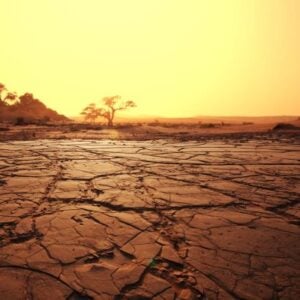
The eastern Horn of Africa is currently experiencing one of the driest October-December (OND) rainy seasons on record, driven by La Niña conditions and an exceptionally strong negative Indian Ocean Dipole. This severe drought is compounding the impacts of the historic 2020–2023 drought, putting local agricultural productivity at serious risk. FEWS NET estimates that between 20 and 25 million people across Somalia, Ethiopia, and Kenya are in need of humanitarian food assistance, with drought being the primary factor for 50–55 percent of those affected. Without a significant scale-up of food, water, and nutrition support, Crisis (IPC Phase 3) outcomes and worse are expected to spread through May 2026, with multiple areas in Somalia facing Emergency (IPC Phase 4) conditions, where malnutrition and starvation risks are escalating. The severity of the situation will depend heavily on the performance of the March–May (MAM) rainy season, which remains uncertain.

Rainfall totals across much of the Horn are projected at less than 50 percent of the seasonal average, with some areas receiving under 30 percent. The region relies on two rainy seasons, MAM and OND, both critical for replenishing water resources, supporting crops, and sustaining livestock. The current OND season follows erratic MAM rains in 2025, extremely high temperatures during the June–September dry season, and below-average rainfall in the prior 2024 OND season. Extreme heat has accelerated moisture loss, leaving many water points nearly dry and vegetation at less than 60 percent of typical levels. In Ethiopia, water and pasture are critically low in multiple zones, while in Somalia, rangeland conditions are already worse than in previous historic droughts. Pasture and water scarcity are expected to worsen through the January–February dry season.

Crop production is projected to suffer substantial losses, sharply reducing household food availability in cropping and agropastoral zones. In Somalia’s Bay and Bakool regions, non-irrigated harvests may reach less than 10 percent of average, while Ethiopia’s Somali Region has experienced near-total failure of rainfed crops due to heat and moisture stress. These losses limit local food stocks and reduce income from crop sales and labor, while declining supplies and high demand are driving sharp price increases. In Kenya, maize prices in Kitui are 19 percent above the five-year average, and red sorghum prices in Baidoa, Somalia, have risen by 25 percent. Food inflation in Ethiopia remains elevated at 10.9 percent.

Pasture and water deficits are also severely affecting livestock health and milk production, reducing access to food and income for pastoral households. Livestock body conditions are deteriorating, even among drought-tolerant species like camels. In some areas, animals are consuming refuse due to lack of forage. Early livestock deaths and declining milk production are being reported across Kenya and Somalia, and households are engaging in distress sales, reducing their income amid falling livestock prices. Migration of herds is occurring earlier and further than normal, increasing disease transmission and the risk of resource conflicts. The combination of low herd sizes and high mortality risks is expected to further diminish livestock assets during the January–February dry season.

These dynamics are driving widespread Crisis (IPC Phase 3) outcomes across Ethiopia, Kenya, and Somalia, with Emergency (IPC Phase 4) conditions in the worst-affected areas of Somalia. Households are adopting severe coping strategies, including distress livestock sales, water trucking at inflated prices, digging shallow wells, and reducing food consumption. Rising fodder costs and declining access to livestock feed exacerbate these pressures. Many households are also removing children from school, relying on credit or social support, and facing displacement as they migrate to IDP camps and urban centers in search of food and work.

Acute malnutrition rates are rising, particularly among children under five, as households adopt coping strategies such as reducing meal size, prioritizing children, and consuming wild or less-preferred foods. SMART surveys indicate global acute malnutrition (GAM) prevalence of 11–19 percent in Somalia’s central and northern pastoral areas, rising to nearly 25 percent in some IDP settlements. In northern and eastern Kenya, GAM prevalence ranges from Serious to Critical levels. Nutrition outcomes are expected to worsen ahead of the 2026 MAM rains if humanitarian assistance remains insufficient.

The upcoming MAM rainy season will be crucial in determining whether food security stabilizes or deteriorates further. Long-range forecasts are uncertain, with potential rainfall ranging from 60 percent above to 60 percent below average. Poor MAM rains would exacerbate food and income losses, erode coping capacities, and heighten the risk of extreme acute malnutrition and famine. Many pastoral households could lose their remaining livestock, while crop-dependent households would face continued income shortages. Historical patterns suggest that inadequate MAM rainfall could lead to Famine (IPC Phase 5) outcomes if proactive humanitarian interventions are not implemented.
Related Posts

  • Somalia Faces Severe Aid Shortfalls as Funding Cuts Hit Millions Affected by Drought
  • Gaza Faces Devastating Floods Amid Ongoing Humanitarian Response
  • Innovations Bringing Safe Water to 1.9 Million People Worldwide
  • Norway Supports WFP to Address Rising Food Insecurity in South Sudan
  • Iran Faces Deepening Water Crisis as Severe Drought and Mismanagement Force Water Imports

Primary Sidebar

Latest News

Empowering Communities: Civil Society Partnerships for Water Security in Asia-Pacific

Guyana’s Carbon Market Success: Lessons for Caribbean Green Finance

75 Years of Strategic Philanthropy: Lessons from the Joyce Foundation

India Plastic Waste Rules 2026: Recycled Content Mandate and Stricter EPR Norms

Malawi COVID-19 Lessons: Systemic Risks and Disaster Resilience

Building a Stronger NGO Framework in Lesotho: Key Lessons from Sierra Leone

India Tightens Foreign NGO Funding Rules with New FCRA Amendment

UNDP Launches E-Course on Sovereign Credit Ratings for African Officials

UNDP Training Helps Pryluky Community Attract UAH 160 Million for Local Development

UN Digital Readiness Toolkit Supports Human Rights Institutions in Safe Digital Transformation

UNESCO Expands We Are ABLE Project to Promote Inclusive STEAM Education in Vietnam

CDB Approves $10 Million Credit Line to Boost SMEs in Trinidad and Tobago

Peru Secures $37.5M Climate Fund Boost to Protect Amazon and Indigenous Communities

Southern Water Opens Funding for Business Water-Saving Projects

IOM Funds Youth-Led Climate Mobility Projects in Kenya and Burundi

UK Expands £500M Innovation Fund to Seven New Regions

$50M Climate Fund Boosts Jamaica’s Farm Resilience with FAO Support

FAO and Flanders Launch $1M Project to Support Farmers in War-Hit Mykolaivska

FAO Expands Cash Support to Gaza Farmers, Urges Input Import Liberalization

Eastern Africa Sets Roadmap to Accelerate Agrifood Systems Transformation

WHO Cyprus Initiative Delivers First Emergency Aid Shipment to Gaza

Ghana Targets High-Risk Districts to Strengthen Cholera Prevention

Ghana Strengthens Health Security with NAPHS Prioritisation Workshop

Burkina Faso Conflict: Report Accuses All Sides of War Crimes and Ethnic Cleansing

EU “Digital Omnibus” Plans Raise Concerns Over AI, Privacy, and Human Rights

EU Urged to Act After Israel Approves Controversial Death Penalty Law

Guterres Warns of Wider War as Middle East Conflict Escalates

Global Crisis Update: South Sudan Rights, WHO Opioid Guidelines, DR Congo Violence

Lao Businesses Prepare for LDC Graduation Amid Trade and Market Changes

ILO and UNHCR Strengthen Partnership in Türkiye for Refugee Jobs and Inclusion

Moldova TVET Schools Lead Green Transition Through EcoImpact Initiative

Yerevan Meeting Highlights Rights and Protection for Domestic Workers

Cameroon Recycling Initiative Turns Waste into Jobs and Sustainable Growth

Sri Lanka and World Bank Launch Partnership to Boost Jobs and Private Investment

Zambia Climate Resilience Report Highlights Growth, Jobs, and Poverty Reduction Opportunities

Sustainable Growth in the Land of a Thousand Hills

EIC Funds €118M for 30 Breakthrough Research Projects

Rethinking Purpose in Later Life for Healthy Longevity

Global Lessons for the Future of Social Care

Private Sector Lessons from FAIR for ALL Programme

Funds for NGOs
Funds for Companies
Funds for Media
Funds for Individuals
Sample Proposals

Contact us
Submit a Grant
Advertise, Guest Posting & Backlinks
Fight Fraud against NGOs
About us

Terms of Use
Third-Party Links & Ads
Disclaimers
Copyright Policy
General
Privacy Policy

Premium Sign in
Premium Sign up
Premium Customer Support
Premium Terms of Service

©FUNDSFORNGOS LLC.   fundsforngos.org, fundsforngos.ai, and fundsforngospremium.com domains and their subdomains are the property of FUNDSFORNGOS, LLC 1018, 1060 Broadway, Albany, New York, NY 12204, United States.   Unless otherwise specified, this website is not affiliated with the abovementioned organizations. The material provided here is solely for informational purposes and without any warranty. Visitors are advised to use it at their discretion. Read the full disclaimer here. Privacy Policy. Cookie Policy.