Reporting on climate change often focuses on alarming trends, but 2025 has also seen notable progress in clean energy and climate action. The year is set to be the joint-second warmest on record, with extreme weather events affecting Morocco, Nigeria, Pakistan, California, Texas, southern Europe, and Southeast Asia. Despite these challenges, several positive developments signal a shift toward a net-zero world.
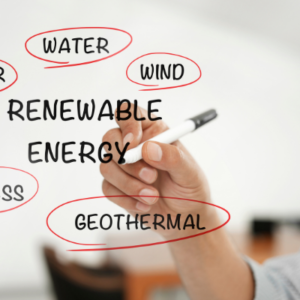
Renewable energy continues to make economic and environmental gains. According to the International Renewable Energy Agency, 91% of new renewable projects are now cheaper than fossil fuels, helping avoid $467 billion in fossil fuel costs in 2024. Solar and wind energy have contributed to renewables surpassing 40% of global electricity generation, with solar alone providing nearly 7%. However, rising electricity demand and regional financing challenges, especially in Africa, still pose hurdles to the energy transition.
In a landmark ruling, the International Court of Justice affirmed that countries can be held legally accountable for their carbon emissions, potentially entitling affected nations to reparations. This decision opens pathways for legal action and stronger climate negotiations, marking the first environmental ruling in the ICJ’s history.
China has emerged as a climate leader, maintaining flat or declining CO2 emissions while expanding clean energy technologies, which now constitute over 10% of its economy. Its central bank has implemented climate-focused policies including green finance guidelines and low-interest funding for carbon reduction projects. Similarly, Indonesia’s central bank is advancing green finance and guiding financial institutions toward sustainability, demonstrating leadership in the Southeast Asian region.
Africa is witnessing a renewables revolution, with large-scale investments and initiatives such as Mission 300 and Desert-to-Power aiming to provide millions with electricity and unlock 10 gigawatts of solar capacity by 2030. African leaders emphasize investment partnerships based on grants and concessional funding to avoid worsening debt crises while positioning the continent as a key player in the global green economy.
Even in the absence of the US, central bankers in the Network for Greening the Financial System (NGFS) remain committed to climate action. Their recent scenario analysis warns of a potential 3% global growth loss due to climate disasters over the next five years, and they continue to promote collaboration on climate risk management and energy transition efforts.
These developments collectively highlight that, despite the ongoing climate crisis, 2025 has seen meaningful progress in renewable energy adoption, legal accountability, financial sector engagement, and international cooperation, offering hope for a more sustainable and resilient future.