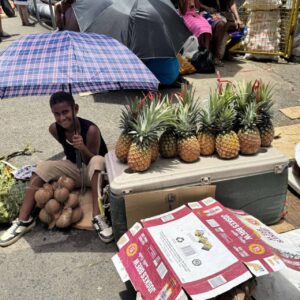
In Villa Rosario, Talugtug, Nueva Ecija, residents once relied on hand pumps that provided rusty, mud-tasting water, causing widespread illness from diarrhea and vomiting. Community members, with financial and technical support from the Department of Social Welfare and Development (DSWD), decided to prioritize and construct their own water supply system, ensuring safe and clean water in every home. This transformation illustrates the impact of the community-driven development (CDD) approach under the Kalahi-CIDSS program, which empowers communities to actively participate in solving their own development challenges.
Kalahi-CIDSS, supported by the World Bank, equips communities with grants and training to identify, plan, implement, and manage projects that address local needs such as water systems, roads, schools, and health clinics. Participatory planning is central to the approach, with residents analyzing priorities, developing project proposals through facilitated discussions and consensus, and receiving technical guidance and oversight from local government agencies.
Since 2015, Kalahi-CIDSS has financed over 54,800 subprojects, benefiting 17.5 million households nationwide. These projects have improved access to infrastructure and services, enhanced social inclusion, and empowered marginalized groups including women, Indigenous peoples, and participants in the Pantawid Pamilyang Pilipino Program. Approximately 2.45 million community volunteers, 63% of whom are women, have been mobilized through the initiative.
In Barangay Baculungan Norte, Benguet, residents rehabilitated local roads, enabling farmers to transport produce more efficiently, reduce losses, and improve access to markets and health services. In Sua, Camaligan, residents constructed an evacuation center to protect the community from typhoons and floods, enhancing local resilience against extreme weather. The program also demonstrated effectiveness in disaster recovery, supporting rapid response and rebuilding after Typhoon Haiyan and mobilizing resources during the COVID-19 pandemic.
Kalahi-CIDSS has also strengthened local governance, institutionalizing participatory planning and budgeting while fostering social cohesion and trust between communities and local officials. Women and marginalized groups have taken leadership roles in decision-making, further promoting social inclusion and community empowerment.
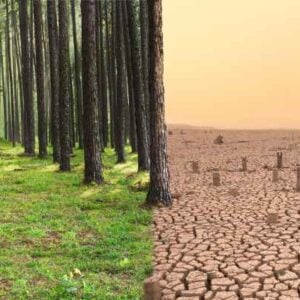
Following the conclusion of the Kalahi-CIDSS project in December 2024, the World Bank approved the Philippines Community Resilience Project, or “Pagkilos,” in July 2025. This new CDD initiative focuses on climate and disaster resilience, engaging communities in identifying risks and implementing infrastructure and livelihood projects to withstand extreme weather events. Investments include flood and drought mitigation, slope protection, surge barriers, windbreakers, and retrofitting critical infrastructure, alongside nature-based solutions such as agroforestry, wetlands restoration, and community forest management.
By empowering communities to lead resilience-building efforts, the Philippines is not only addressing environmental challenges but also cultivating a culture of proactive engagement. Community-led initiatives enhance preparedness, coordination, and recovery during disasters, demonstrating that local involvement is essential for effective climate and disaster risk management.