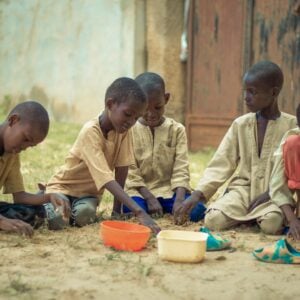
The African Development Fund (ADF) has approved a $19.7 million grant to improve living conditions for 20,000 vulnerable households and support the local integration of over 128,000 internally displaced people (IDPs) in Doolow, one of Somalia’s most fragile border towns.
The funding, part of the Transition Support Facility for Somalia’s Strengthening Urban Resilience Project, will provide secure land tenure for 10,500 IDPs and construct 1,750 climate-resilient homes, giving families safe, dignified shelter after years of displacement. Upgraded stormwater drainage and rehabilitated irrigation canals will reduce flood risks, protect farms, and bolster food production.
Women and youth, who comprise the majority of Doolow’s displaced population, will benefit from vocational training, entrepreneurship support, startup kits, and access to over 150 Village Savings and Loans Associations to build financial independence. Farmer teaching fields will support 4,500 households in adopting climate-smart agriculture, diversifying income opportunities, while around 500 women and youth gain pathways to education, work, and leadership roles.
“This project brings hope and stability to families who have endured years of uncertainty,” said Bubacarr Sankareh, AfDB Lead Operations Advisor for Somalia. “By investing in housing, basic services, and jobs, people can rebuild their lives with dignity.”
The initiative will also enhance government capacity, training more than 380 officials in land administration, conflict mitigation, and people-centred urban planning to support Doolow’s transition from a humanitarian hub to a resilient and inclusive urban centre.
Designed under Somalia’s National Solutions Pathways Action Plan (2024–2029), the project is the country’s first national initiative aimed at moving one million Somalis out of displacement through local integration, combining infrastructure, skills, and economic inclusion to break cycles of vulnerability and build lasting resilience.