UNHCR, the UN Refugee Agency, has raised the alarm as escalating attacks on villages in northern Mozambique force tens of thousands of people to flee, with nearly 100,000 displaced in the past fortnight alone. The rapid spread of violence into previously safer districts has overwhelmed the capacity of humanitarian and government actors, leaving collective efforts insufficient to meet the scale of protection and assistance required.
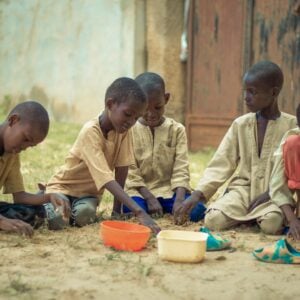
Survivors recount terrifying escapes as armed groups stormed their villages, often at night, burning homes, attacking civilians, and forcing families to flee with nothing. Many were separated from children or older relatives during chaotic evacuations. For many, this is the second or third displacement of the year as attacks continue to follow them into new areas.
The violence, which began in Cabo Delgado in 2017, has already displaced over 1.3 million people. In 2025, however, the conflict has shifted dangerously, spreading simultaneously into Nampula Province and threatening communities that previously hosted displaced families. Civilians arrive at makeshift sites such as schools and open spaces, often without civil documentation or access to essential services, walking for days in fear. The lack of safe routes and basic support puts women and girls at heightened risk of exploitation and abuse, coinciding with the global observance of 16 Days of Activism Against Gender-Based Violence.
Despite limited resources, protection partners have reactivated management and referral systems to provide women and girls with confidential reporting channels and safer access to medical, psychosocial, and legal assistance. Yet even in safer areas, risks remain severe. Fragile host communities are under immense pressure, with schools, churches, and open spaces crowded with new arrivals. Poor lighting and lack of privacy expose women and girls to further danger, while older people and those with disabilities struggle in sites that are not accessible or equipped to meet their needs.
Children arrive exhausted, traumatized, and weakened after days of walking, some malnourished and unaccompanied. Humanitarian teams are working to identify the most vulnerable, reunite families, provide counselling, distribute dignity kits, and assist with replacing lost civil documents. However, the response is rapidly running out of resources, leaving thousands of families in limbo. Critical services—including protection, shelter, food, water, and sanitation—are under severe strain as displacement rises.
UNHCR warns that humanitarian actors, including UN agencies, national and international NGOs, government institutions, and communities themselves, cannot sustain the response without urgent international support. With the conflict widening and civilians increasingly at risk, the agency is calling for immediate assistance to protect those forced to flee, support overstretched host communities, and prevent further deterioration of the crisis. Addressing the root causes of the conflict is also critical to restore stability and break the cycle of violence and displacement in northern Mozambique.
To meet rising needs across the region in 2026, UNHCR estimates it will require $38.2 million, at a time when 2025 funding stands at only 50 percent of the $42.7 million required. Urgent support is needed to prevent the crisis from worsening further.