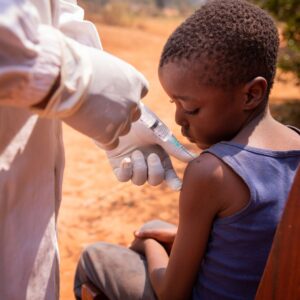
Global immunization efforts have driven an 88% reduction in measles deaths between 2000 and 2024, according to the World Health Organization (WHO), with nearly 59 million lives saved by vaccination over this period. Despite this progress, an estimated 95,000 people—mostly children under five—died from measles in 2024. While this is among the lowest annual death tolls since 2000, each preventable death underscores ongoing gaps in vaccine coverage.
Measles infections are rising worldwide, with approximately 11 million cases recorded in 2024, nearly 800,000 more than pre-pandemic levels in 2019. WHO Director-General Dr. Tedros Adhanom Ghebreyesus highlighted that measles is extremely contagious and exploits any gaps in immunization, emphasizing the importance of vaccinating every child to prevent outbreaks and save lives. Regional trends show an 86% increase in cases in the Eastern Mediterranean, 47% in Europe, and 42% in South-East Asia, while Africa experienced a 40% decline in cases and a 50% reduction in deaths due to improved immunization coverage.
Immunization coverage remains insufficient to protect all communities. In 2024, an estimated 84% of children received their first dose of measles vaccine, but only 76% received the second dose, leaving over 30 million children under-protected. Most of these children live in Africa and the Eastern Mediterranean, often in fragile, conflict-affected, or vulnerable settings. The Immunization Agenda 2030 (IA2030) Mid-Term Review warns that declining coverage makes measles one of the first diseases to resurge, threatening global elimination targets.
Large outbreaks continue to rise. In 2024, 59 countries reported major measles outbreaks, nearly triple the number in 2021, marking the highest levels since the COVID-19 pandemic. Surveillance improvements, including over 760 laboratories in the Global Measles and Rubella Laboratory Network testing more than 500,000 samples, have helped identify and respond to outbreaks. However, funding cuts threaten these gains, risking wider immunity gaps and further outbreaks.
Progress toward measles elimination remains uneven. By the end of 2024, 81 countries (42%) had eliminated measles, with recent verification in Pacific island countries, Cabo Verde, Mauritius, and Seychelles bringing the total to 96 countries. The Region of the Americas regained elimination status in 2024 but lost it in November 2025 due to ongoing transmission in Canada. Even high-income countries that had previously eliminated measles are vulnerable if coverage drops below the 95% threshold or if pockets of unvaccinated populations exist.
WHO stresses that achieving measles elimination requires strong political commitment, sustained investment, high vaccination coverage, robust surveillance, and rapid outbreak response. The IA2030 Mid-Term Review urges countries and partners to strengthen routine immunization, deliver high-quality campaigns where coverage is insufficient, and maintain systems capable of quickly detecting and responding to outbreaks. WHO, through the Measles & Rubella Partnership, continues to coordinate global efforts to recover vaccination backsliding from the COVID-19 pandemic and accelerate progress toward a measles-free world.