You are here: Home/cat/ U.S. Cuts Funding for World AIDS Day Commemorations for the First Time in 37 Years
U.S. Cuts Funding for World AIDS Day Commemorations for the First Time in 37 Years
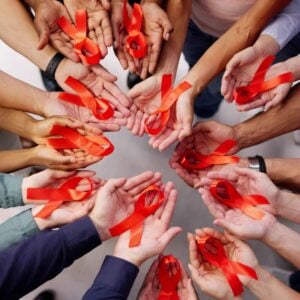
The U.S. State Department will no longer commemorate World AIDS Day with public messaging, ending a long-standing tradition of recognizing those who have died from the disease and raising awareness on December 1. According to reports, employees and grantees have been instructed not to use federal funding for World AIDS Day activities or to publicly promote the day through social media, speeches, media engagements, or other public channels. While personnel can still attend external events, they are prohibited from speaking at them or promoting their attendance online.
State Department spokesperson Tommy Pigott stated that awareness days are not considered strategic and emphasized that the department, under President Trump, is focusing on working directly with foreign governments to save lives and encourage responsibility and burden-sharing. World AIDS Day has been recognized internationally since 1988 to highlight the AIDS pandemic and honor those who have died from HIV/AIDS. In the U.S., President Bill Clinton issued the first presidential proclamation marking the day in 1993, while President Ronald Reagan was the first to publicly mention AIDS in a 1985 speech.
Traditionally, the State Department highlights the work of the U.S. President’s Emergency Plan for AIDS Relief (PEPFAR) on World AIDS Day. Since its inception in 2003, PEPFAR has invested over $120 billion globally, preventing infections and saving an estimated 26 million lives. The program, administered through the State Department, faced funding disruptions this year when President Trump temporarily halted HIV-related funding. Although funding has resumed, the administration has proposed a $1.9 billion cut to PEPFAR for the 2026 fiscal year, which could significantly affect global HIV/AIDS efforts.
The Joint United Nations Programme on HIV and AIDS recently reported that global funding cuts have resulted in unknown numbers of deaths and left millions without access to essential HIV medicines. As the U.S. remains the largest donor to the global AIDS response, any reductions in funding or public awareness initiatives could have a considerable impact on worldwide efforts to control and prevent the disease.