The World Bank has approved two major projects in India aimed at improving education outcomes in Punjab and boosting incomes for small and marginal farmers in Maharashtra through digital solutions. Together, these initiatives are expected to benefit over six million people by leveraging technology to enhance learning and agricultural productivity.
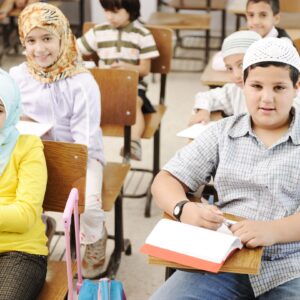
The Punjab Outcomes-Acceleration in School Education Operation (POISE) program, with a $286 million investment, focuses on improving the quality of education across the state. It will support 1.3 million primary school students, more than 2.2 million secondary school students, and 592,000 children in early childhood education. The program emphasizes the use of digital infrastructure in schools, including computer labs, tablets, and projectors, to enhance learning outcomes, particularly in science and mathematics. It also includes teacher training and school management improvements to address systemic challenges in education.
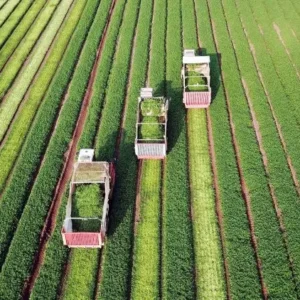
The Maharashtra Project on Climate Resilient Agriculture (POCRA) Phase II, funded at $490 million, aims to increase crop productivity and strengthen climate resilience through precision farming and digital technology. Over two million small and marginal farmers, including 290,000 women, will benefit from improved soil health, nutrient management, and water-use efficiency. The project also integrates data analytics, real-time monitoring, remote sensing, and AI to enhance efficiency in agricultural value chains and improve market access. Farmers will be guided by village community groups and agri-tech startups to ensure better livelihoods.
The POISE project has a final maturity of 19 years, including a five-year grace period, while POCRA Phase II has a final maturity of 24 years, including a six-year grace period. Both projects demonstrate India’s commitment to harnessing digital technology for sustainable development, economic growth, and improved living standards for vulnerable populations.