The Food and Agriculture Organization (FAO), in collaboration with the Forestry Commission and the World Food Forum Ghana Chapter, organized a training workshop under the AIM4Forests Young Forest Champions initiative to empower young leaders in forest monitoring, restoration, and climate action. The programme aims to strengthen the capacity of youth to lead community-based projects that address deforestation, land degradation, illegal logging, and climate change, while fostering creativity, energy, and leadership skills among participants.
The workshop introduced participants to Ghana’s forestry landscape and policies, with mentorship and capacity-building sessions designed to equip young champions to lead restoration projects in their communities. Experts highlighted the critical role of youth in safeguarding forests and explained key challenges, including illegal logging, agricultural expansion, and mining, while emphasizing the importance of community-led conservation. Participants were encouraged to prioritize long-term impact, develop innovative projects, and communicate their passion for climate action effectively.
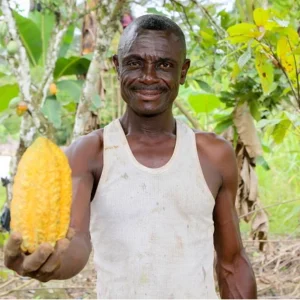
During the workshop, champions shared and developed projects ranging from mangrove tree planting and community forest monitoring to agroforestry training, school-based forest education, and climate-smart initiatives such as converting cocoa waste into food and income. FAO facilitated practical training on digital forest monitoring using its Open Foris Ground solution, allowing participants to collect tree species data and strengthen their skills in community-based data collection. Mentorship sessions also provided guidance on resilience, continuous learning, proposal writing, and professional networking, helping champions plan impactful interventions.
On the final day, participants visited the Atewa Range Forest Reserve in southeastern Ghana, observing challenges posed by illegal mining, logging, and farming, while learning how rangers and communities collaborate to protect the forest. Champions engaged in tree planting activities, geolocating seedlings digitally, linking practical conservation work with modern monitoring techniques. The visit highlighted the ecotourism potential of the reserve and reinforced participants’ understanding of their role as active custodians of Ghana’s forests.
The workshop concluded with renewed enthusiasm for youth-led forest action, leaving participants with enhanced skills, networks, and confidence to implement their projects. Ongoing online mentorship and peer discussions will continue to support the champions throughout the year, ensuring sustained engagement and impact in community-based forest conservation and climate action.