The United Nations Refugee Agency (UNHCR) has highlighted the increasing vulnerability of displaced communities as extreme weather events intensify globally. Floods in South Sudan and Brazil, record-breaking heat in Kenya and Pakistan, and severe water shortages in Chad and Ethiopia are pushing already fragile populations to the brink. Over the past decade, weather-related disasters have caused approximately 250 million internal displacements, equivalent to 70,000 people daily or two every three seconds. While returns to Syria and Afghanistan have slightly reduced global displacement this year, frontline communities continue to face severe climate exposure.
UNHCR emphasized that three in four displaced people now live in countries experiencing “high-to-extreme” climate hazards. Extreme weather is disrupting access to essential services, destroying homes and livelihoods, and forcing many families who have already fled violence to move again. Filippo Grandi, the outgoing UN High Commissioner for Refugees, noted that these populations are among the hardest hit by droughts, floods, and heatwaves yet have the fewest resources to recover, compounding their vulnerability.
Basic survival systems in refugee settlements are under severe strain. In flood-affected areas of Chad, newly arrived refugees receive fewer than 10 litres of water daily, far below emergency standards. UNHCR projects that by 2050, the hottest refugee camps could experience nearly 200 days of extreme heat stress annually, posing severe risks to health and survival. Many camps, particularly those with high humidity and heat exposure, are at risk of becoming uninhabitable.
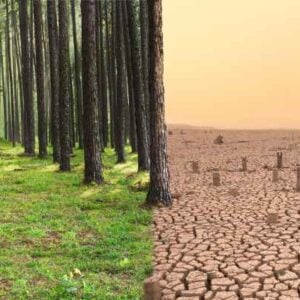
The agency also flagged land degradation in Africa as a pressing concern. Of the 1.2 million refugees who returned home in early 2025, half arrived in climate-vulnerable areas. Across the continent, 75% of land is deteriorating, and over half of refugee settlements are located in high-stress regions, reducing access to food, water, and income. This environmental stress is driving some populations toward recruitment by armed groups in the Sahel, fueling conflict and repeated displacement.
Despite growing needs, funding for climate adaptation and protection of displaced communities remains insufficient. Conflict-affected host countries receive only a quarter of the climate finance they require, while much of the global funding fails to reach refugees and their host communities. Grandi stressed the urgency at COP30 in Belém, Brazil, urging governments to prioritize investments in the most at-risk populations and ensure climate finance reaches communities living on the edge to prevent further displacement.
UNHCR’s report highlights stark findings: three in four refugees face high climate hazards, half of the 1.2 million returnees in 2025 are in climate-vulnerable areas, 75% of African land is deteriorating, and over half of refugee settlements are in high-stress regions. By 2050, the hottest refugee camps in Gambia, Eritrea, Ethiopia, Senegal, and Mali could endure nearly 200 days of hazardous heat per year. By 2040, the number of countries facing extreme climate hazards could rise from three to 65. Since April 2023, nearly 1.3 million people fleeing Sudan’s conflict have sought refuge in South Sudan and Chad, countries with limited capacity to respond to the escalating climate crisis.