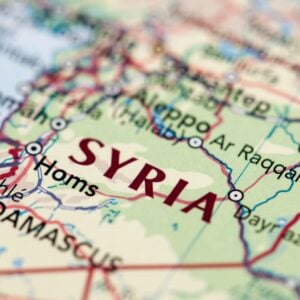
As the Middle East conflict disrupts key maritime routes and ports, essential commodities like food, fuel, and fertilizer are becoming increasingly expensive. WFP Shipping Chief Henrik Hansen explains that the organization is working around the clock to reduce rising costs, shorten transit times, and implement creative transport solutions to deliver aid to millions of vulnerable people.
Global shipping is currently experiencing its most severe disruptions since the COVID-19 pandemic, compounded by the 2023 Red Sea crisis. The closure of the Strait of Hormuz has forced cargo to be delayed or rerouted through ports such as Salalah in Oman or Colombo in Sri Lanka. Many vessels are also avoiding the Bab el-Mandeb Strait, taking longer routes around the Cape of Good Hope. These changes, combined with steep surcharges including war-risk premiums, are making schedules unpredictable, delaying deliveries, and increasing costs.
The impact of these shipping disruptions goes beyond logistics, directly affecting food security. Higher operational costs reduce the amount of aid WFP can purchase and deliver, meaning fewer people receive assistance or get smaller rations. Communities already facing severe food insecurity are particularly vulnerable, as they are hardest hit by disruptions occurring thousands of kilometers away.
Countries most affected include Sudan, where fragile supply chains face immediate strain, and other parts of East and Southern Africa like the Democratic Republic of the Congo, Kenya, and Ethiopia. West African ports such as Dakar, Tema, and Abidjan are also experiencing delays, affecting prepositioning of food ahead of lean seasons. Asian countries including Afghanistan and Myanmar face slower imports of both humanitarian aid and essential goods, leading to higher local prices for staple foods.
To address these challenges, WFP is negotiating preferential shipping access, leveraging strong relationships with carriers, shipowners, and port operators to secure priority treatment for critical shipments. Waivers on recent surcharges have been obtained for United Nations agencies, though overall transport costs remain about 18 percent higher for cargo currently at sea.
WFP is also exploring alternative transport routes and land corridors to keep aid moving. For instance, cargo is being trucked from the UAE to Türkiye, then shipped across the Caspian Sea and transported overland to northern Afghanistan. The organization applies similar adaptive strategies worldwide, continuously testing and redesigning routes to maintain the flow of food even amid shifting maritime networks.
Recovery from the crisis will not be immediate, even if the Middle East situation stabilizes. Backlogs in congested hubs mean it could take one to five months to resume normal operations. If disruptions persist, costs and delays will continue to rise, reducing WFP’s capacity to deliver aid. Nonetheless, WFP remains resilient, quickly adapting to new corridors and transport modes to ensure food reaches those who need it most, though full recovery will take time.