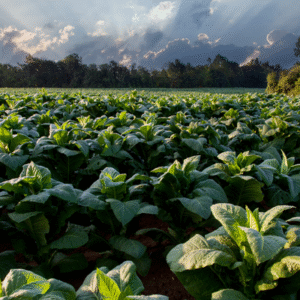
A recent media visit organized by the International Labour Organization (ILO) in Aceh, Indonesia, highlighted the transformative impact of inclusive finance on the patchouli oil industry. The visit provided journalists with firsthand insights into how improved access to financial services and multi-stakeholder collaboration are strengthening the value chain and creating new economic opportunities for farmers and micro, small, and medium enterprises (MSMEs).
Through the ILO’s Promise II Impact project, MSMEs in the patchouli sector are receiving targeted support to enhance resilience and competitiveness. The initiative focuses on improving financial literacy, promoting digitalization, and expanding access to tailored financing solutions. Local financial institutions have developed innovative credit schemes that address common barriers faced by farmers, such as limited collateral and lack of formal credit histories, enabling them to expand production and maintain quality standards.
The visit also showcased how collaboration between government, research institutions, and private sector actors is driving innovation within the industry. Advances in cultivation and distillation techniques are helping producers meet international quality standards, while digital tools are improving transparency in production and transactions. These efforts are strengthening the sector’s ability to compete in global markets and increasing export potential.
At the community level, the initiative is fostering entrepreneurship and job creation, particularly among young people. Local enterprises are scaling up operations, creating employment opportunities, and promoting sustainable practices across the value chain. By linking farmers directly to markets and supporting value addition, the project is contributing to stronger and more inclusive rural economies.
Overall, the initiative demonstrates how inclusive financial systems, combined with innovation and collaboration, can drive sustainable development. It underscores the importance of empowering local businesses and communities to achieve long-term economic growth, improved livelihoods, and greater resilience in Indonesia’s rural sectors.