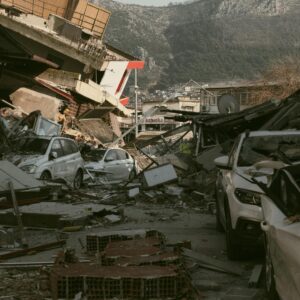
Tropical Cyclone Gezani struck Madagascar’s eastern coast on 11 February 2026, causing severe destruction in the Atsinanana region and the port city of Tamatave (Toamasina), the country’s main economic hub. The cyclone heavily damaged schools, disrupted education, and left nearly 75% of Toamasina destroyed. According to the Ministry of National Education, 488 schools were affected, with 2,435 classrooms damaged or destroyed, leaving over 100,000 students unable to attend school. The media sector was also impacted, with 67 journalists losing access to their workplaces and essential reporting equipment affected, while the Vavitiana Museum suffered significant structural damage.
In response, UNESCO released over $110,000 in emergency funds to support education, journalist safety, and cultural heritage protection. The assistance aims to assess school damages, collect information on affected institutions, and prioritize repairs in the hardest-hit areas. It will also strengthen the safety of journalists, support local community radios, and enable media activities to resume, including the production of content focused on preparedness for future disasters.
For the cultural sector, UNESCO is supporting the protection and restoration of museum collections, rehabilitation of damaged infrastructure, and training of museum staff through its Heritage Emergency Fund. The organization emphasizes solidarity with the people of Madagascar and is mobilizing all available emergency mechanisms to help children return to school, support journalists, and safeguard cultural heritage. UNESCO is committed to working closely with authorities to ensure that learning, information, and culture—key pillars of community resilience—are rebuilt as quickly as possible.