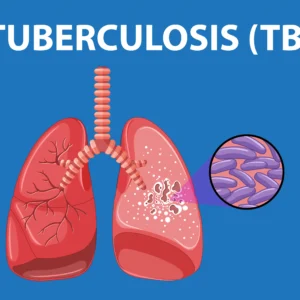
On World TB Day, the global community highlighted the message, “Yes! We can end TB!” In 2024, 10.7 million people fell ill with tuberculosis worldwide, and 1.23 million died. The WHO European Region accounted for 1.9% of global TB cases. The World Health Organization emphasizes that ending TB is achievable with strong systems, strategic investments, and effective partnerships, a vision that UNDP is helping implement in Belarus.
In Belarus, TB diagnosis and treatment have been transformed by modern approaches. Most patients can now be diagnosed within a single day, with prompt treatment often on an outpatient basis, supported by digital tools and patient-centered care. In 2025, 1,199 people were diagnosed with TB in Belarus, primarily men, urban residents, and nearly 60% of working age. Patients receive comprehensive care, including psychological and social support, counselling, and case management, helping them maintain treatment adherence and stability in daily life. While stigma and challenges remain, especially for drug-resistant TB, the disease is no longer a life-defining condition.
Ending TB in Belarus is a national development priority aligned with the Sustainable Development Goals. Over the past decade, TB incidence has declined nearly threefold, mortality has reached historic lows of 0.9 per 100,000, and treatment success rates, including for drug-resistant TB, exceed 80%. Belarus’s National Sustainable Development Strategy sets ambitious targets to reduce TB incidence by 80% and mortality by 90% by 2030 compared to 2015 levels. Universal access to care ensures that treatment does not create financial hardship.
UNDP supports Belarus in building resilient and transparent systems for TB elimination. The Country Coordinating Mechanism (CCM) guides the national response, bringing together government, civil society, and development partners while monitoring effectiveness. In partnership with the Global Fund to Fight AIDS, Tuberculosis and Malaria, UNDP supports access to quality TB medicines and diagnostics, having procured more than 7,500 TB medicine packages and over 2,000 diagnostic kits between 2023 and 2024. The country is transitioning to all-oral treatment regimens and uses over 1,000 devices for video-observed treatment, enabling patients to take medication at home under remote supervision. Mobile diagnostic units expand access for elderly people, those in remote areas, and people with disabilities, ensuring that patients can reach specialized care when needed.
Beyond the health system, UNDP works with national partners and civil society to strengthen community-based responses. This includes psychosocial support, treatment adherence support, outreach to vulnerable populations, and efforts to reduce stigma and discrimination. Looking ahead, Belarus plans to scale up innovative treatment approaches, expand digital monitoring and data systems, strengthen outpatient patient-centered care, increase focus on prevention including latent TB, and enhance institutional sustainability. Through resilient health systems, strong coordination, and sustainable access to care, UNDP helps Belarus make lasting progress toward the elimination of tuberculosis.