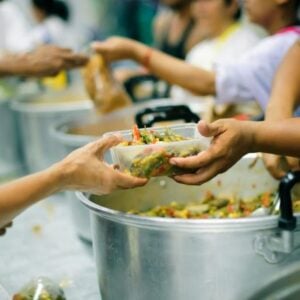
The latest Integrated Food Security Phase Classification (IPC) analysis shows a severe deterioration in food security and malnutrition across Kenya, driven by consecutive failed rainfall seasons. While Kenya is not typically seen among the world’s worst hunger crises, the rapid decline in conditions highlights the growing urgency. In northern and north-eastern counties, families are witnessing boreholes drying up, livestock dying, and children showing visible signs of acute malnutrition, threatening both livelihoods and survival.
The IPC report confirms that 3.3 million people in northern Kenya are now experiencing high levels of acute food insecurity, a 52% increase from the previous year. Among them, 400,000 face emergency (IPC Phase 4) levels of hunger requiring life-saving assistance. In the most affected areas—Mandera, Marsabit, and Turkana South and East—children are experiencing famine-like levels of malnutrition, with over one in three at risk. The proportion of children at risk has risen from 13.1% to 16%, highlighting escalating drought stress.
The crisis is particularly severe in Dadaab, home to over 400,000 refugees. A December 2025 assessment found that 54% of refugees were experiencing severe hunger, 86% had reduced daily meals, and over half were resorting to desperate survival strategies. Cuts in aid during 2025 reduced food assistance to 68% and halved water rations, marking the lowest level of support in the camp’s 35-year history.
According to Kenya’s National Drought Management Authority, Garissa County’s drought conditions have worsened, with rainfall consistently below average from December 2025 to February 2026. Vegetation has declined sharply, and livestock trekking distances have increased, indicating heightened pressure on both land and pastoral livelihoods. CARE Kenya notes that these thresholds at the start of the lean season signal deepening severity in Arid and Semi-Arid Lands (ASAL) counties, where communities are still recovering from the devastating 2021-2023 drought.
Children with acute malnutrition can be treated, but aid cuts and limited resources mean that many cannot access life-saving support. The crisis is compounded by declining humanitarian funding, forcing organizations to scale back essential services including food, nutrition, water, and health interventions. Women and girls are disproportionately affected, often being the last to eat and at higher risk of exploitation, including gender-based violence and early marriage.
CARE Kenya and its partners are calling on donors to urgently increase funding, prioritizing support for local and women-led organisations that are best positioned to deliver assistance. The 1.76 million people currently needing aid in ASAL counties are projected to exceed 2.1 million by mid-2026, with delays in response escalating both suffering and costs.
CARE Kenya is mobilizing immediate interventions in Garissa and Mandera, including rehabilitation of water systems, community-based malnutrition screening for children under five and pregnant and lactating women, and measures to prevent exploitation of women and girls. Evidence shows that timely investments in water and nutrition systems can significantly reduce human suffering and financial costs during drought emergencies.
The urgency is clear: without immediate, scaled-up action, more families will face hunger, malnutrition, and displacement, while children and women will continue to bear the heaviest burden of the drought crisis in northern Kenya.