• Skip to primary navigation
  • Skip to main content
  • Skip to primary sidebar

fundsforNGOs News

Grants and Resources for Sustainability

  • Subscribe for Free
  • Premium Support
  • Premium Login
  • Premium Sign up
  • Home
  • Funds for NGOs
    • Agriculture, Food and Nutrition
    • Animals and Wildlife
    • Arts and Culture
    • Children
    • Civil Society
    • Community Development
    • COVID
    • Democracy and Good Governance
    • Disability
    • Economic Development
    • Education
    • Employment and Labour
    • Environmental Conservation and Climate Change
    • Family Support
    • Healthcare
    • HIV and AIDS
    • Housing and Shelter
    • Humanitarian Relief
    • Human Rights
    • Human Service
    • Information Technology
    • LGBTQ
    • Livelihood Development
    • Media and Development
    • Narcotics, Drugs and Crime
    • Old Age Care
    • Peace and Conflict Resolution
    • Poverty Alleviation
    • Refugees, Migration and Asylum Seekers
    • Science and Technology
    • Sports and Development
    • Sustainable Development
    • Water, Sanitation and Hygiene (WASH)
    • Women and Gender
  • Funds for Companies
    • Accounts and Finance
    • Agriculture, Food and Nutrition
    • Artificial Intelligence
    • Education
    • Energy
    • Environment and Climate Change
    • Healthcare
    • Innovation
    • Manufacturing
    • Media
    • Research Activities
    • Startups and Early-Stage
    • Sustainable Development
    • Technology
    • Travel and Tourism
    • Women
    • Youth
  • Funds for Individuals
    • All Individuals
    • Artists
    • Disabled Persons
    • LGBTQ Persons
    • PhD Holders
    • Researchers
    • Scientists
    • Students
    • Women
    • Writers
    • Youths
  • Funds in Your Country
    • Funds in Australia
    • Funds in Bangladesh
    • Funds in Belgium
    • Funds in Canada
    • Funds in Switzerland
    • Funds in Cameroon
    • Funds in Germany
    • Funds in the United Kingdom
    • Funds in Ghana
    • Funds in India
    • Funds in Kenya
    • Funds in Lebanon
    • Funds in Malawi
    • Funds in Nigeria
    • Funds in the Netherlands
    • Funds in Tanzania
    • Funds in Uganda
    • Funds in the United States
    • Funds within the United States
      • Funds for US Nonprofits
      • Funds for US Individuals
      • Funds for US Businesses
      • Funds for US Institutions
    • Funds in South Africa
    • Funds in Zambia
    • Funds in Zimbabwe
  • Proposal Writing
    • How to write a Proposal
    • Sample Proposals
      • Agriculture
      • Business & Entrepreneurship
      • Children
      • Climate Change & Diversity
      • Community Development
      • Democracy and Good Governance
      • Disability
      • Disaster & Humanitarian Relief
      • Environment
      • Education
      • Healthcare
      • Housing & Shelter
      • Human Rights
      • Information Technology
      • Livelihood Development
      • Narcotics, Drugs & Crime
      • Nutrition & Food Security
      • Poverty Alleviation
      • Sustainable Develoment
      • Refugee & Asylum Seekers
      • Rural Development
      • Water, Sanitation and Hygiene (WASH)
      • Women and Gender
  • News
    • Q&A
  • Premium
    • Premium Log-in
    • Premium Webinars
    • Premium Support
  • Contact
    • Submit Your Grant
    • About us
    • FAQ
    • NGOs.AI
You are here: Home / cat / WFP Delivers Lifesaving Aid to Conflict-Affected Families in Afghanistan

WFP Delivers Lifesaving Aid to Conflict-Affected Families in Afghanistan

Dated: March 16, 2026

The United Nations World Food Programme (WFP) has launched a large-scale emergency response in Afghanistan to support communities affected by the conflict with Pakistan, while also adapting its operations to continue delivering life-saving aid despite violence and major shipping disruptions. The agency has already started mobilizing assistance rapidly as the humanitarian situation worsens across the region.

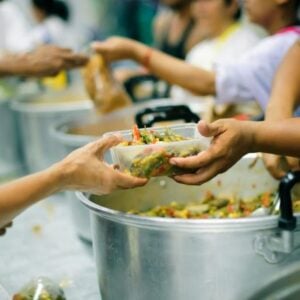
WFP is currently providing immediate food assistance to more than 20,000 families displaced by the conflict. As an initial emergency measure, affected families are receiving fortified biscuits to meet urgent food needs. The most vulnerable households will then receive two months of food or cash assistance, while children as well as pregnant and breastfeeding women will also receive specialized nutritional products to help address critical malnutrition risks.

Although security conditions remain dangerous, WFP has resumed operations in most border areas and is scaling up assistance across eight provinces. The response is beginning in eastern provinces such as Nuristan, Kunar, and Nangarhar, and extending southward through Paktya, Khost, and Paktika, before continuing into Zabul and Kandahar along Afghanistan’s southern border. This broad geographic coverage reflects the expanding humanitarian impact of the conflict.

WFP has warned that the situation is worsening for families already facing repeated crises. According to the agency, many households had already been struggling with hunger due to previous shocks such as job losses and earthquakes, and are now being pushed further into crisis as conflict spreads. The added instability is expected to deepen food insecurity and place even greater pressure on an already fragile region.

The agency’s response is also being complicated by severe supply chain disruptions. The closure of the Afghanistan–Pakistan border since last October, combined with the wider conflict in the Middle East, has made it harder for WFP to move aid into the country. In response, the organization is working to activate the Lapis Lazuli Corridor as an alternative route linking Afghanistan through Turkmenistan, the Caspian Sea, Azerbaijan, Georgia, and Turkey. While this route offers a crucial backup, it is slower and significantly more expensive.

Further pressure is coming from Iran’s recent ban on food and agricultural exports, which is already contributing to rising prices in Afghanistan. If the ban continues, it is likely to cause shortages of essential goods, beginning in border areas and eventually spreading nationwide as supplies decline. With trade routes disrupted from both Pakistan and Iran, Afghan markets are facing increasing strain, raising the risk that staple foods will become less available and less affordable for millions of people.

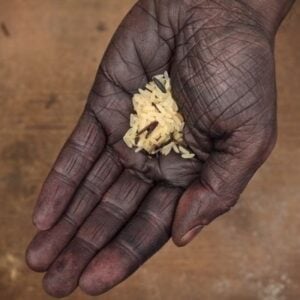
As 2026 continues, Afghanistan is facing three overlapping crises: escalating hostilities along the Pakistan–Afghanistan border, the spillover impact of conflict in Iran, and a severe hunger and malnutrition emergency. An estimated 17.4 million people—around one in three Afghans—now need urgent food assistance, while 3.7 million children are expected to require treatment for malnutrition this year. WFP has warned that without urgent support, the combination of conflict, supply disruptions, and deepening hunger could push millions further into crisis.
Related Posts

  • Japan Supports WFP School Feeding Programme in Guinea-Bissau
  • WFP: Higher Food and Fuel Prices Threaten to Increase Hunger
  • Warwickshire's New Plan to Combat Food Poverty: Key Steps
  • Middle East Crisis Forces 700,000 People to Flee in Lebanon
  • Canada Provides Aid to Meet Lebanon’s Humanitarian Needs

Primary Sidebar

Latest News

Empowering Communities: Civil Society Partnerships for Water Security in Asia-Pacific

Guyana’s Carbon Market Success: Lessons for Caribbean Green Finance

75 Years of Strategic Philanthropy: Lessons from the Joyce Foundation

India Plastic Waste Rules 2026: Recycled Content Mandate and Stricter EPR Norms

Malawi COVID-19 Lessons: Systemic Risks and Disaster Resilience

Building a Stronger NGO Framework in Lesotho: Key Lessons from Sierra Leone

India Tightens Foreign NGO Funding Rules with New FCRA Amendment

UNDP Launches E-Course on Sovereign Credit Ratings for African Officials

UNDP Training Helps Pryluky Community Attract UAH 160 Million for Local Development

UN Digital Readiness Toolkit Supports Human Rights Institutions in Safe Digital Transformation

UNESCO Expands We Are ABLE Project to Promote Inclusive STEAM Education in Vietnam

CDB Approves $10 Million Credit Line to Boost SMEs in Trinidad and Tobago

Peru Secures $37.5M Climate Fund Boost to Protect Amazon and Indigenous Communities

Southern Water Opens Funding for Business Water-Saving Projects

IOM Funds Youth-Led Climate Mobility Projects in Kenya and Burundi

UK Expands £500M Innovation Fund to Seven New Regions

$50M Climate Fund Boosts Jamaica’s Farm Resilience with FAO Support

FAO and Flanders Launch $1M Project to Support Farmers in War-Hit Mykolaivska

FAO Expands Cash Support to Gaza Farmers, Urges Input Import Liberalization

Eastern Africa Sets Roadmap to Accelerate Agrifood Systems Transformation

WHO Cyprus Initiative Delivers First Emergency Aid Shipment to Gaza

Ghana Targets High-Risk Districts to Strengthen Cholera Prevention

Ghana Strengthens Health Security with NAPHS Prioritisation Workshop

Burkina Faso Conflict: Report Accuses All Sides of War Crimes and Ethnic Cleansing

EU “Digital Omnibus” Plans Raise Concerns Over AI, Privacy, and Human Rights

EU Urged to Act After Israel Approves Controversial Death Penalty Law

Guterres Warns of Wider War as Middle East Conflict Escalates

Global Crisis Update: South Sudan Rights, WHO Opioid Guidelines, DR Congo Violence

Lao Businesses Prepare for LDC Graduation Amid Trade and Market Changes

ILO and UNHCR Strengthen Partnership in Türkiye for Refugee Jobs and Inclusion

Moldova TVET Schools Lead Green Transition Through EcoImpact Initiative

Yerevan Meeting Highlights Rights and Protection for Domestic Workers

Cameroon Recycling Initiative Turns Waste into Jobs and Sustainable Growth

Sri Lanka and World Bank Launch Partnership to Boost Jobs and Private Investment

Zambia Climate Resilience Report Highlights Growth, Jobs, and Poverty Reduction Opportunities

Sustainable Growth in the Land of a Thousand Hills

EIC Funds €118M for 30 Breakthrough Research Projects

Rethinking Purpose in Later Life for Healthy Longevity

Global Lessons for the Future of Social Care

Private Sector Lessons from FAIR for ALL Programme

Funds for NGOs
Funds for Companies
Funds for Media
Funds for Individuals
Sample Proposals

Contact us
Submit a Grant
Advertise, Guest Posting & Backlinks
Fight Fraud against NGOs
About us

Terms of Use
Third-Party Links & Ads
Disclaimers
Copyright Policy
General
Privacy Policy

Premium Sign in
Premium Sign up
Premium Customer Support
Premium Terms of Service

©FUNDSFORNGOS LLC.   fundsforngos.org, fundsforngos.ai, and fundsforngospremium.com domains and their subdomains are the property of FUNDSFORNGOS, LLC 1018, 1060 Broadway, Albany, New York, NY 12204, United States.   Unless otherwise specified, this website is not affiliated with the abovementioned organizations. The material provided here is solely for informational purposes and without any warranty. Visitors are advised to use it at their discretion. Read the full disclaimer here. Privacy Policy. Cookie Policy.