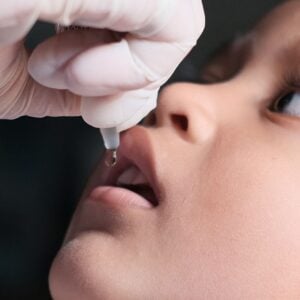
Ukraine has introduced the human papillomavirus (HPV) vaccine into its national immunization schedule for the first time, offering a single dose to girls aged 12–13. The move marks the first addition of a new vaccine to the country’s routine immunization programme in nearly two decades. Despite the ongoing war, the rollout began in early 2026, and by 1 March around 47,500 girls—about 11 percent of the targeted group for the first year—had already received the vaccine. Authorities aim to vaccinate about half of all eligible girls by the end of 2026, with plans to extend the programme to other age groups in the future.
The introduction of the HPV vaccine is part of a broader national effort to address cervical cancer, a significant public health issue in Ukraine. Each year, approximately 3,000 new cases of cervical cancer are diagnosed in the country and up to 1,100 women die from the disease. By integrating HPV vaccination into routine immunization, the government aims to strengthen prevention measures and reduce the long-term burden of cancer among women.
The decision to include the vaccine follows the adoption of two key national strategies by the Ukrainian government: the National Immunization Strategy and the Cancer Control Strategy. The immunization strategy aligns with global goals such as the European Immunization Agenda 2030 and focuses on improving vaccination coverage, preventing vaccine-preventable diseases, and restoring health services affected by the COVID-19 pandemic and the war. The cancer control strategy supports a comprehensive approach to preventing and managing malignant diseases across the country.
Implementing the HPV vaccination programme has been particularly challenging due to the impact of the conflict on the health system. Since the start of the war, thousands of attacks on healthcare facilities, the loss of many healthcare workers, frequent power outages, and ongoing security threats have disrupted health service delivery. Despite these conditions, health authorities have continued efforts to strengthen routine immunization services and introduce new preventive measures.
The updated national immunization schedule also includes several other reforms aimed at modernizing Ukraine’s vaccination system. These include a transition to the use of inactivated polio vaccine only, adjustments to the timing of measles-mumps-rubella vaccination, targeted hepatitis B vaccination at birth for high-risk groups, and expanded use of combination vaccines to reduce the number of injections and clinic visits required.
The World Health Organization supported the preparation and rollout of the HPV vaccination programme by helping develop operational plans, clinical guidance, and vaccine safety protocols. Training programmes were also organized for thousands of family doctors, paediatricians, and nurses across the country to ensure they were prepared to deliver the vaccine effectively. Additional assistance included communication materials, digital updates for vaccine monitoring systems, and technical support for vaccine management.
The nationwide introduction of the HPV vaccine and other immunization updates was made possible through collaboration between Ukraine’s Ministry of Health, international partners, and Gavi, the Vaccine Alliance. Health officials emphasize that strengthening routine immunization and expanding HPV vaccination will play a crucial role in preventing HPV-related cancers and improving long-term public health outcomes in the country.