The Government of Japan has contributed US$67.3 million to the United Nations World Food Programme to support vulnerable populations affected by conflict, natural disasters, and economic crises in 27 countries across Asia, the Middle East, and Africa. The funding will help the organization provide emergency food assistance, nutrition support, and other critical services to communities facing severe humanitarian challenges.
A significant portion of the contribution, US$28.7 million, will support emergency food assistance in Palestine, where many communities continue to struggle with acute food insecurity. Although conditions have somewhat improved following the ceasefire in October 2025, humanitarian needs remain extremely high, and the funding will allow the World Food Programme to continue delivering essential food supplies to families impacted by the crisis.
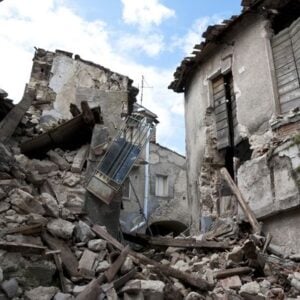
Part of the funding will also address humanitarian emergencies in several other countries. In Afghanistan, US$4.2 million will support emergency food and nutrition assistance following severe flooding and earthquakes. Myanmar will receive US$5.2 million to help communities affected by a recent major earthquake, while US$2 million will support recovery efforts for populations in Pakistan impacted by devastating floods.
Japan’s contribution also supports broader efforts to strengthen food security and humanitarian services. In the Democratic Republic of the Congo, US$2 million will help integrate school meals with improved access to clean water in crisis settings, while also supporting emergency food and nutrition assistance and operational activities of the United Nations Humanitarian Air Service. In Zimbabwe, an additional US$0.84 million will be used to promote youth-led artificial intelligence and digital innovation initiatives aimed at improving food security and community resilience.
The funding reflects Japan’s long-standing commitment to addressing global hunger and humanitarian crises. Japan has consistently been one of the World Food Programme’s most significant government donors and has played a leadership role in advancing global food security, including through initiatives highlighted during the Tokyo International Conference on African Development.
Through this contribution, the World Food Programme will expand its assistance across a wide range of countries, including Afghanistan, Democratic Republic of the Congo, Nigeria, Somalia, South Sudan, Ukraine, Yemen, and others. The funding will enable the organization to continue delivering lifesaving support to millions of vulnerable people facing the impacts of conflict, disasters, and economic instability.