• Skip to primary navigation
  • Skip to main content
  • Skip to primary sidebar

fundsforNGOs News

Grants and Resources for Sustainability

  • Subscribe for Free
  • Premium Support
  • Premium Login
  • Premium Sign up
  • Home
  • Funds for NGOs
    • Agriculture, Food and Nutrition
    • Animals and Wildlife
    • Arts and Culture
    • Children
    • Civil Society
    • Community Development
    • COVID
    • Democracy and Good Governance
    • Disability
    • Economic Development
    • Education
    • Employment and Labour
    • Environmental Conservation and Climate Change
    • Family Support
    • Healthcare
    • HIV and AIDS
    • Housing and Shelter
    • Humanitarian Relief
    • Human Rights
    • Human Service
    • Information Technology
    • LGBTQ
    • Livelihood Development
    • Media and Development
    • Narcotics, Drugs and Crime
    • Old Age Care
    • Peace and Conflict Resolution
    • Poverty Alleviation
    • Refugees, Migration and Asylum Seekers
    • Science and Technology
    • Sports and Development
    • Sustainable Development
    • Water, Sanitation and Hygiene (WASH)
    • Women and Gender
  • Funds for Companies
    • Accounts and Finance
    • Agriculture, Food and Nutrition
    • Artificial Intelligence
    • Education
    • Energy
    • Environment and Climate Change
    • Healthcare
    • Innovation
    • Manufacturing
    • Media
    • Research Activities
    • Startups and Early-Stage
    • Sustainable Development
    • Technology
    • Travel and Tourism
    • Women
    • Youth
  • Funds for Individuals
    • All Individuals
    • Artists
    • Disabled Persons
    • LGBTQ Persons
    • PhD Holders
    • Researchers
    • Scientists
    • Students
    • Women
    • Writers
    • Youths
  • Funds in Your Country
    • Funds in Australia
    • Funds in Bangladesh
    • Funds in Belgium
    • Funds in Canada
    • Funds in Switzerland
    • Funds in Cameroon
    • Funds in Germany
    • Funds in the United Kingdom
    • Funds in Ghana
    • Funds in India
    • Funds in Kenya
    • Funds in Lebanon
    • Funds in Malawi
    • Funds in Nigeria
    • Funds in the Netherlands
    • Funds in Tanzania
    • Funds in Uganda
    • Funds in the United States
    • Funds within the United States
      • Funds for US Nonprofits
      • Funds for US Individuals
      • Funds for US Businesses
      • Funds for US Institutions
    • Funds in South Africa
    • Funds in Zambia
    • Funds in Zimbabwe
  • Proposal Writing
    • How to write a Proposal
    • Sample Proposals
      • Agriculture
      • Business & Entrepreneurship
      • Children
      • Climate Change & Diversity
      • Community Development
      • Democracy and Good Governance
      • Disability
      • Disaster & Humanitarian Relief
      • Environment
      • Education
      • Healthcare
      • Housing & Shelter
      • Human Rights
      • Information Technology
      • Livelihood Development
      • Narcotics, Drugs & Crime
      • Nutrition & Food Security
      • Poverty Alleviation
      • Sustainable Develoment
      • Refugee & Asylum Seekers
      • Rural Development
      • Water, Sanitation and Hygiene (WASH)
      • Women and Gender
  • News
    • Q&A
  • Premium
    • Premium Log-in
    • Premium Webinars
    • Premium Support
  • Contact
    • Submit Your Grant
    • About us
    • FAQ
    • NGOs.AI
You are here: Home / cat / Toxic Pollution Threat Linked to Organized Crime and Poor Oversight

Toxic Pollution Threat Linked to Organized Crime and Poor Oversight

Dated: February 26, 2026

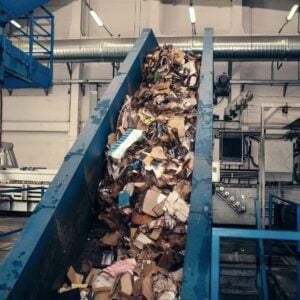
A new report by the UN Office on Drugs and Crime (UNODC) exposes the global scale of illegal waste trafficking, conservatively estimated to generate up to $18 billion annually. While comprehensive data is limited outside Europe, the report highlights that all regions are affected. Legal waste management reached $1.2 trillion in 2024, up from $410 billion in 2011, yet the growth of the illicit trade has severe consequences for public health, contaminating drinking water, oceans, and soil. Corporate involvement is common, with some companies violating regulations, knowingly using illegal services, or operating parallel illegal activities. Waste often flows from wealthy to poorer regions, particularly the most difficult or least valuable materials to dispose of.

Electronic waste, or e-waste, is one of the fastest-growing waste streams globally, but other products such as solar panels are also vulnerable to exploitation by organized crime. Only about one-fifth of e-waste is handled in an environmentally sound way, leaving billions of dollars in recoverable raw materials lost to illegal traffickers. Beyond financial loss, the illegal waste trade causes environmental damage, public health risks, social inequality, and undermines governance, fueling corruption and strengthening criminal networks.

Organized crime groups demonstrate high knowledge of legislation and often “jurisdiction shop” for countries with weak regulations or light penalties. The report emphasizes the sophisticated logistics used in waste trafficking, including collection, export, import, and disposal, often coordinated across multiple operators and countries. Legal front companies are frequently used to conceal criminal activity, which includes dumping liquid waste into water bodies, burning waste for energy, mislabelling hazardous materials, or undercutting competitors in disposal contracts. Some traffickers control the entire waste processing cycle, with significant financial and human resources at their disposal.

Weak enforcement and regulatory gaps further facilitate illegal activity. Limited traceability, low penalties, and insufficient oversight allow traffickers to profit, particularly in Europe, where illegal e-waste shipments can yield higher profits than the fines imposed. Developing countries face similar risks, with informal waste pickers exposed to hazardous conditions and negative health impacts while processing illicit waste. The UNODC report underscores that stronger political commitment, regulatory oversight, and global cooperation are essential to combat this growing threat and protect public health, the environment, and economic sustainability.
Related Posts

  • New Cutting-Edge Technology Measures Introduced to Tackle Waste Crime
  • E-Waste Management in India: Lessons from the 22nd Collection Drive
  • Saint Kitts and Nevis Boosts Biosafety with PAHO Support
  • WHO, Novo Nordisk Foundation Join Forces to Advance Health Training in Kenya
  • Mercury Emissions: Trump Administration Weakens Safeguards

Primary Sidebar

Latest News

Justice for All Women and Girls: A Global Call to Action

Women’s Equality and Modern Feminist Movements

Empowering Local Actors: A Pathway to Real Impact

Health Workers Strengthened Through PAHO Course on PrEP Delivery

Grenada and PAHO Collaborate on 2026–2027 Biennial Work Plan

PAHO Trains Antigua and Barbuda Health Workers in DHIS2 System

US Expands Caribbean Security Initiative to Combat Organized Crime

United Nations Accelerates Country-Led Energy Transition in Southeast Asia

Ghana’s 2027 Elections: Rising Violence Against Women in Politics Exposed

CAR Moves into Critical Phase Following Landmark Elections

Zimbabwe Rejects US Health Aid Deal Over Data Concerns

Private Debt Emerges as Key to African Startup Expansion

Japan Provides $4.2M Polio Support to Papua New Guinea

West of England Gets Major Support for Climate and Nature Projects

100+ Organisations Call for Landmark Good Food Bill

$5M Boost for Australian Critical Minerals Startup

$556M Funding to Strengthen Singapore’s Social Science Research

Scotland Launches £400k Fund to Protect Creative Spaces from Climate Change

EU Funding Helps SME Fight Water Pollution

Making Climate Action the Smartest Investment in Asia-Pacific

Humanitarian Alert: 6.5 Million Somalis Face Severe Hunger

New EU Platform Boosts Aid for Ukraine War-Affected Regions

EU Backs Digital Media Hub Launch in Samoa

Toxic Pollution Threat Linked to Organized Crime and Poor Oversight

Over a Billion People at Risk of Losing Land and Homes by 2031

Ontario Drives Innovation in Life Sciences Sector

Ontario Strengthens Protections for Livestock Farmers in Rural Areas

$500M Boost for Retooling Canada’s Forestry Industry

Canada Expands AgriStability to Cover Pasture Feed Costs

Ministers Announce €10M EU Support for Bioeconomy Demos

EV Charger Grant Boost Helps Households and Businesses Save

Over £50 Million Invested to Tackle Homelessness

Breaking Barriers: Women with Disabilities Leading in Samoa

South Sudan Crisis: Nearly 2 Million Displaced at Risk

Siem Reap Boosts Aid for Cambodian Migrant Workers

Korea Supports WFP’s School Feeding and Food Aid Programs in Lebanon

Moldova Receives WFP and EU Support for Refugees

E-Waste Management in India: Lessons from the 22nd Collection Drive

Solar-Powered Water Systems Transform Farming in Ethiopia

Driving Rural Prosperity Through Public-Private-Producer Partnerships

Funds for NGOs
Funds for Companies
Funds for Media
Funds for Individuals
Sample Proposals

Contact us
Submit a Grant
Advertise, Guest Posting & Backlinks
Fight Fraud against NGOs
About us

Terms of Use
Third-Party Links & Ads
Disclaimers
Copyright Policy
General
Privacy Policy

Premium Sign in
Premium Sign up
Premium Customer Support
Premium Terms of Service

©FUNDSFORNGOS LLC.   fundsforngos.org, fundsforngos.ai, and fundsforngospremium.com domains and their subdomains are the property of FUNDSFORNGOS, LLC 1018, 1060 Broadway, Albany, New York, NY 12204, United States.   Unless otherwise specified, this website is not affiliated with the abovementioned organizations. The material provided here is solely for informational purposes and without any warranty. Visitors are advised to use it at their discretion. Read the full disclaimer here. Privacy Policy. Cookie Policy.