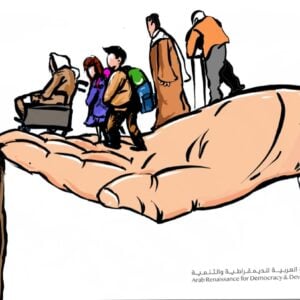
The World Bank Group has approved a US$200 million loan to support Bolivia’s efforts to protect households most affected by the ongoing economic crisis and to strengthen the country’s social protection system. The financing aims to make social assistance more effective, efficient, and resilient, while improving preparedness for future shocks and emergencies.
The operation supports the design and implementation of the Extraordinary Program for Protection and Equity, a temporary government initiative that provides financial assistance to vulnerable families facing rising prices and income shocks. The programme is expected to directly and indirectly benefit approximately eight million people across the country.
Target beneficiary groups include older adults without contributory pensions, people with disabilities, families with children enrolled in public schools, pregnant women without health insurance, and children under the age of two. By focusing on these populations, the programme seeks to mitigate the social impacts of the economic downturn and safeguard basic living standards.
In parallel, the financing supports broader reforms to strengthen Bolivia’s social protection system. Planned measures include improving beneficiary targeting, modernizing delivery mechanisms, and enhancing coordination across institutions. These reforms are designed to increase efficiency, transparency, and the overall impact of public spending on social assistance.
World Bank officials emphasized that the project reflects close collaboration with the Bolivian authorities and supports ongoing efforts to modernize public administration and strengthen results-based service delivery. The operation aligns with the government’s broader priorities to restore macroeconomic stability, boost confidence and investment, and promote private sector–led growth and job creation.
Bolivian authorities highlighted the importance of the partnership in reinforcing social safety nets while laying the foundations for inclusive and sustainable economic growth. The Ministry of Economy and Public Finance will lead project implementation, with the Public Administrator of Long-Term Social Security playing a central role in determining eligibility and delivering payments to beneficiaries.