Save the Children and its advocacy arm, Save the Children Action Network (SCAN), have welcomed the congressional passage of full-year appropriations for the U.S. Departments of Education, Health and Human Services, and key foreign assistance accounts through the end of fiscal year 2026. The approval of these funds underscores the national priority of supporting children’s survival, growth, and well-being both domestically and internationally, emphasizing that investing in children is central to America’s strength, security, and future.
Domestically, the funding package includes modest increases for programs that help children learn, grow, and remain safe. Head Start and Early Head Start will receive $12.4 billion, a $170 million increase from 2025, enhancing access to early learning, health screenings, and family services. The Child Care and Development Block Grant (CCDBG) is allocated $8.8 billion, an $85 million increase, helping more working families afford reliable childcare. Funding for 21st Century Community Learning Centers, Promise Neighborhoods, and Preschool Development Grants is maintained, supporting academic achievement, family engagement, and community pathways to opportunity. Additional investments include $810.4 million for Community Services Block Grant programs and incremental funding for special education, Impact Aid, and rural education initiatives. These measures are intended to strengthen families, improve early learning, and expand opportunities for children, particularly in rural and underserved areas.
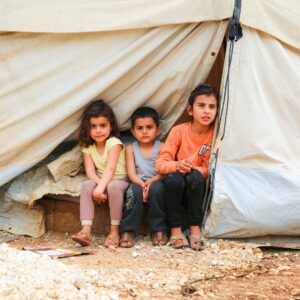
On the international front, the funding package continues strong support for children in crisis worldwide. The National Security and State Department appropriations provide roughly $50 billion for diplomacy, development, and humanitarian responses, maintaining investments in maternal and child health, nutrition, and global food security. It also includes $5.4 billion for the International Humanitarian Assistance account to support children and families affected by conflict and disasters, although this represents a 37% reduction from last fiscal year. With millions of children living in conflict zones, out of school, or facing preventable health risks, Save the Children stresses the urgent need for continued and robust support to protect vulnerable children globally.
Save the Children and SCAN highlighted that these investments in both domestic and international programs have tangible impacts: ensuring children can start school ready to learn, supporting working families, and providing critical assistance in crisis situations. The organizations emphasized that protecting children worldwide is a moral imperative and a strategic investment in global stability and prosperity. They committed to continue working with U.S. leaders to safeguard and strengthen funding for children, ensuring that every child, regardless of location, has the opportunity to reach their full potential.