India has reported two confirmed cases of the Nipah virus in West Bengal in January 2026, marking the country’s seventh documented outbreak and the third in the state since 2001 and 2007. The infected individuals, a male and a female nurse at the same private hospital, are receiving treatment, with the male patient recovering and the female patient in critical condition. Nipah, primarily transmitted from bats to humans and occasionally through contaminated food, animals, or human-to-human contact, can cause illness ranging from mild symptoms to severe respiratory disease and fatal encephalitis. Historically, outbreaks in India and the WHO Southeast Asia Region have been sporadic and limited in scope, with no known international spread. India has implemented public health measures, including deploying an outbreak response team to West Bengal, and no additional cases had been detected as of 27 January. Since there is no licensed vaccine or treatment, early detection and preventive measures remain critical.
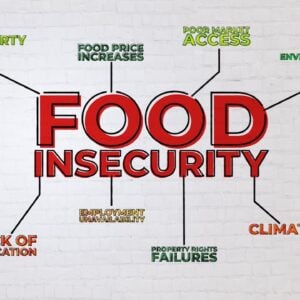
In Afghanistan, the UN Food and Agriculture Organization (FAO) and the Asian Development Bank (ADB) have launched a $100 million initiative to strengthen food and nutrition security and restore agricultural livelihoods for over one million vulnerable people over the next two years. Agriculture, a key part of Afghanistan’s rural economy, faces persistent challenges including low productivity, limited market access, and repeated natural disasters. The project will reach more than 151,000 households, including returnees, host communities, and disaster-affected families, providing tools and support to produce food, safeguard livestock, and improve nutrition. With 17.4 million people projected to face acute food insecurity in 2026, including 4.7 million at emergency levels, this initiative aims to build long-term resilience beyond immediate relief.