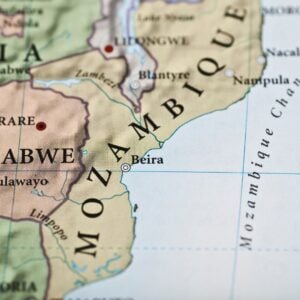
The World Bank Group Board of Executive Directors has approved a new Country Partnership Framework (CPF) for Mozambique for 2026–2031, aimed at fostering inclusive and resilient growth. The strategy comes as the country faces the severe impacts of recent floods, underscoring its vulnerability to natural disasters, and emphasizes support for affected communities while focusing on economic recovery and long-term development. The CPF sets out a five-year program to create more and better jobs for Mozambique’s young population, leveraging the country’s natural resources and strategic geographic location.
The new CPF aligns with Mozambique’s national priorities, including accelerating economic transformation, strengthening institutions, and expanding opportunities for youth and women. It builds on government efforts to revitalize economic corridors and focuses on key sectors such as energy, agribusiness, and tourism. The strategy also emphasizes developing a skilled workforce, reinforcing macro-fiscal stability, and addressing the country’s fragility. Four main outcomes guide the CPF: strengthening macro-fiscal stability, improving workforce skills, expanding energy access and powering economic corridors, and increasing private sector-led jobs in agribusiness and tourism.
The World Bank Group plans to mobilize approximately $2.5 billion over the CPF period, concentrating on sectors with high job creation potential. Financial instruments including guarantees, blended finance, and advisory services will be deployed to attract private investment. Flagship initiatives such as Mission 300 and AgriConnect will support the development of Mozambique’s energy, agribusiness, and tourism sectors, transforming natural wealth into tangible economic opportunities, particularly for youth and women.
The CPF also prioritizes private sector engagement, with the International Finance Corporation supporting investment facilitation and dialogue between public and private stakeholders. MIGA’s WBG Guarantee Platform will help de-risk investments in priority sectors, catalyzing capital and driving job creation. In addition, Mozambique has been granted access to around $450 million through the Prevention and Resilience Window to address fragility, prevent conflict, and strengthen broader stability in the country.
Developed in consultation with the government, civil society, private sector, and development partners, the CPF builds on lessons from the previous framework and aligns with Mozambique’s strategic priorities. It reflects the World Bank Group’s commitment to ending extreme poverty, boosting shared prosperity, and supporting sustainable development on a livable planet.