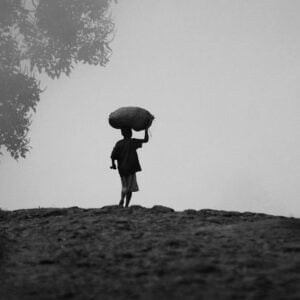
Children in the Bangsamoro region of the southern Philippines have long been exposed to hazardous work, scavenging in dump sites and laboring in agricultural fields from dawn to dusk. Many collected plastics and cans for sale, facing toxic exposure while missing out on education. One former scavenger reflected, “We live near the garbage dump. We are scavengers,” highlighting how entrenched child labour has been in the region. For many children, including a 12-year-old girl working nine hours daily, these conditions denied them basic rights to protection, learning, and health.
Efforts are now underway to replace danger with opportunity, with initiatives that provide sustainable livelihoods and education access. The film Learning Not Labour, directed by Tu Alid Alfonso, spotlights these changes as part of the International Labour Organization’s (ILO) Voice of Action series, ahead of the 6th Global Conference on the Elimination of Child Labour. The film highlights the ILO Japan ARISE project, which supports families through initiatives like mushroom farming in South Upi, Maguindanao del Sur, helping them move away from child labour while the Alternative Learning System (ALS) provides pathways for out-of-school youth to return to education.
Child labour in the Philippines has declined significantly, from 828,000 in 2022 to 509,000 in 2024, according to the Philippine Statistics Authority, though many children remain engaged in hazardous work. Poverty and decades of armed conflict in Bangsamoro increase these risks. The ILO Japan ARISE Project addresses these challenges by improving education access, offering sustainable livelihoods for economic empowerment, and strengthening policies and institutions. Complementary initiatives like the SCREAM programme and the Bangsamoro Labour and Employment Code (BLEC) provide legal safeguards, promote skills training, and support at-risk children.
The ALS program bridges education gaps for youth and adults, allowing learners to pass Accreditation and Equivalency exams to advance from elementary to junior high and eventually senior high or formal school. One ALS student shared, “I feel envious of my colleagues who are studying, even though they are already old. I decided to join them and enrolled in ALS,” showing how educational opportunities are transforming lives. BLEC provisions further protect children through minimum employment age regulations, apprenticeships, and out-of-school support, actively preventing child labour.
Community action and policy interventions are also critical. Cotabato City Councilor Shalimar Candao has prioritized relocating families living in dump sites, while the Labour and Employment Ministry provides apprenticeships and targeted interventions for at-risk youth. Director Tu Alid Alfonso notes that these efforts demonstrate how policy and community initiatives creatively unite to reclaim childhoods in Bangsamoro. Through safe housing, access to schools, sustainable livelihoods, and youth empowerment via education, arts, and media, the region is making significant strides in ending child labour and fostering resilient communities.