• Skip to primary navigation
  • Skip to main content
  • Skip to primary sidebar

fundsforNGOs News

Grants and Resources for Sustainability

  • Subscribe for Free
  • Premium Support
  • Premium Login
  • Premium Sign up
  • Home
  • Funds for NGOs
    • Agriculture, Food and Nutrition
    • Animals and Wildlife
    • Arts and Culture
    • Children
    • Civil Society
    • Community Development
    • COVID
    • Democracy and Good Governance
    • Disability
    • Economic Development
    • Education
    • Employment and Labour
    • Environmental Conservation and Climate Change
    • Family Support
    • Healthcare
    • HIV and AIDS
    • Housing and Shelter
    • Humanitarian Relief
    • Human Rights
    • Human Service
    • Information Technology
    • LGBTQ
    • Livelihood Development
    • Media and Development
    • Narcotics, Drugs and Crime
    • Old Age Care
    • Peace and Conflict Resolution
    • Poverty Alleviation
    • Refugees, Migration and Asylum Seekers
    • Science and Technology
    • Sports and Development
    • Sustainable Development
    • Water, Sanitation and Hygiene (WASH)
    • Women and Gender
  • Funds for Companies
    • Accounts and Finance
    • Agriculture, Food and Nutrition
    • Artificial Intelligence
    • Education
    • Energy
    • Environment and Climate Change
    • Healthcare
    • Innovation
    • Manufacturing
    • Media
    • Research Activities
    • Startups and Early-Stage
    • Sustainable Development
    • Technology
    • Travel and Tourism
    • Women
    • Youth
  • Funds for Individuals
    • All Individuals
    • Artists
    • Disabled Persons
    • LGBTQ Persons
    • PhD Holders
    • Researchers
    • Scientists
    • Students
    • Women
    • Writers
    • Youths
  • Funds in Your Country
    • Funds in Australia
    • Funds in Bangladesh
    • Funds in Belgium
    • Funds in Canada
    • Funds in Switzerland
    • Funds in Cameroon
    • Funds in Germany
    • Funds in the United Kingdom
    • Funds in Ghana
    • Funds in India
    • Funds in Kenya
    • Funds in Lebanon
    • Funds in Malawi
    • Funds in Nigeria
    • Funds in the Netherlands
    • Funds in Tanzania
    • Funds in Uganda
    • Funds in the United States
    • Funds within the United States
      • Funds for US Nonprofits
      • Funds for US Individuals
      • Funds for US Businesses
      • Funds for US Institutions
    • Funds in South Africa
    • Funds in Zambia
    • Funds in Zimbabwe
  • Proposal Writing
    • How to write a Proposal
    • Sample Proposals
      • Agriculture
      • Business & Entrepreneurship
      • Children
      • Climate Change & Diversity
      • Community Development
      • Democracy and Good Governance
      • Disability
      • Disaster & Humanitarian Relief
      • Environment
      • Education
      • Healthcare
      • Housing & Shelter
      • Human Rights
      • Information Technology
      • Livelihood Development
      • Narcotics, Drugs & Crime
      • Nutrition & Food Security
      • Poverty Alleviation
      • Sustainable Develoment
      • Refugee & Asylum Seekers
      • Rural Development
      • Water, Sanitation and Hygiene (WASH)
      • Women and Gender
  • News
    • Q&A
  • Premium
    • Premium Log-in
    • Premium Webinars
    • Premium Support
  • Contact
    • Submit Your Grant
    • About us
    • FAQ
    • NGOs.AI
You are here: Home / cat / Why Haiti’s Political and Security Crisis Is Deepening – Full Overview

Why Haiti’s Political and Security Crisis Is Deepening – Full Overview

Dated: January 22, 2026

Haiti is facing a deepening crisis as armed gangs control large areas, extending their influence well beyond the capital, Port-au-Prince, and severely weakening the State’s ability to provide governance and essential services. Presidential elections have not been held in over a decade, leaving transitional governance arrangements under strain. Humanitarian needs have reached unprecedented levels, with millions struggling to meet basic daily necessities. The UN Secretary-General António Guterres emphasized that escalating violence, coupled with delayed elections, is exacerbating instability and food insecurity nationwide.

The crisis is multidimensional. Gang control of urban areas and key transport routes, combined with increased rural activity, is disrupting livelihoods and humanitarian access. Natural disasters such as hurricanes, floods, droughts, and earthquakes have worsened the humanitarian situation and complicated recovery efforts. More than one in ten Haitians have been displaced due to violence, placing additional pressure on neighboring countries and threatening regional stability. Guterres highlighted the particularly devastating impact of gang violence on women, children, and youth, which erodes the social fabric over the long term.

Security conditions remain dire. Gangs armed with heavy weapons continue to commit kidnappings, sexual violence, and other crimes, while police operations and the UN Security Council-authorized Gang Suppression Force have only achieved limited success in reopening roads and securing areas. Despite some tactical gains, killings remain widespread, with over 8,100 deaths recorded from January to November 2025. Child trafficking and the use of children in violent attacks have also increased, further highlighting the severity of the crisis.

Haiti’s political transition is approaching a critical deadline, with an electoral decree and calendar pointing to potential elections in early 2027. Guterres stressed the urgent need for national stakeholders to find common ground to conclude the transition and accelerate election preparations, though security concerns cast doubt on the feasibility of holding elections without significant improvements.

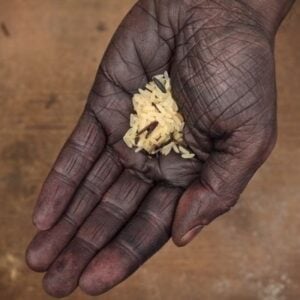
Humanitarian needs are at a breaking point. Food insecurity affects 5.7 million people, nearly two million of whom are in emergency conditions. Displacement has doubled over the past year to 1.4 million people, while many health facilities are barely functioning and cholera remains a major concern. Violence has disrupted education, leaving 1.5 million children without access to school due to closures. Humanitarian access remains severely constrained, and funding shortfalls limit the reach of life-saving assistance.

Women and girls face extreme risk, as gangs routinely use sexual violence as a tool of intimidation and control. Reporting remains low due to fear and stigma, and survivor support services are limited, compounding trauma and impunity. Guterres expressed deep concern over the continued use of sexual violence, which undermines the safety and dignity of women and girls.

The UN emphasizes that restoring security alone is insufficient. Progress on governance, justice, accountability, and social services—especially for youth—is crucial for lasting stability. National consensus and sustained international support are necessary to break the cycle of violence and instability. The UN’s response includes the political mission BINUH, which provides human rights monitoring, electoral assistance, and police development, while humanitarian agencies deliver aid to vulnerable communities. Preparations are also underway for the United Nations Support Office in Haiti (UNSOH) to provide logistical and operational support to the Gang Suppression Force, aiming to stabilize the country and protect its population.


Related Posts

  • Haiti on Edge: Gang Violence Escalates Amid Looming Government Transition
  • Yemen on the Brink Again as Political Tensions, Hunger and Aid Barriers Intensify
  • Humanitarian Aid Cuts Drive Worsening Hunger Crisis in West and Central Africa
  • European Union Backs WFP as Hunger Risks Deepen for Millions in Somalia
  • Airbel Ventures: IRC’s New Impact Fund Driving Humanitarian Breakthroughs

Primary Sidebar

Latest News

Peace Forest Initiative Pilot Launched in Kyrgyz Republic

Citi Foundation Launches $35M Community Finance Initiative

World Cancer Research Fund on US Dietary Guidelines 2025–2030

Three Key Takeaways from Davos 2026: Climate Resilience, Innovation and Global Partnerships

FAO, UNEP, WHO and WOAH Renew One Health Partnership Through 2030

£3 Million UK Investment to Drive Diet, Health and Sustainable Food Innovation

UK–Japan Partnership Boosts Quantum Technology and Advanced Digital Connectivity

Global Aid Cuts Could Lead to 22.6 Million Deaths by 2030, Study Warns

EBRD Commits Historic €654 Million Investment Across the Baltic States in 2025

How Floating Wetlands Are Transforming Wastewater Treatment Systems

$58 Billion Merger Between Devon and Coterra Creates Major U.S. Shale Player

UN-Led Initiative in Armenia Targets Sustainable Financing for Climate-Smart and Nutrition-Sensitive Agriculture

Irish Ministers to Hold High-Level Talks with EU Budget and Agriculture Commissioners in Dublin

UK–Japan Partnership Expands to Boost Science and Technology Collaboration

AI Growth Zone in Lanarkshire to Generate Over 3,400 Jobs and Support Communities

Government Boosts Expertise in Blockchain Technology

Support for Families: Government Funds Travel for Children Battling Cancer

New Robotic Swabbing System Tested at Sellafield for the First Time

Student Loans Company Introduces Innovative Graduate Programme for 2026

Record 11.48 Million Taxpayers Beat Self Assessment Deadline with Online Filing

Investing in Water Storage to Strengthen Regional Resilience and Support Agriculture

Foreign Ministers Peters and Wadephul Release Joint Statement on NZ-Germany Relations

Celebrating Girls in Science on International Day of Women and Girls in STEM

Strengthening Integrity in Government: New Public Sector Code Introduced

Pandemic Preparedness: How the Fund Shields Against Mpox, Marburg, and Emerging Threats

Advancing Health Security: Pandemic Preparedness Across Latin America and the Caribbean

Three Quarters of EU Classrooms Affected by Antisemitism, UNESCO Finds

Ian Chapman Addresses the Research and Innovation Community in Open Letter

UK Introduces Electronic Travel Authorisation Requirement for Finnish Travellers

New Vaccine Customs Code Introduced to Boost Emergency and Pandemic Preparedness

Pandemic Preparedness in 2026: Lessons Learned Six Years After COVID-19

Dr Azinu: India’s Seed Cluster Model Holds Key to Transforming Ghana’s Agriculture

Supporting Indigenous Climate Leaders in Cambodia: The Role of Direct Grants

Côte d’Ivoire: IFC and CGECI Partner to Support Local Enterprises and Employment Growth

Regional Drive for PCB Elimination Strengthened at Abidjan Stockholm Convention Workshop

Submit Your Proposal for Confidence-Building Initiatives

IFAD Launches 2026 with SEK 750M Sustainable Bond Supporting Global Small-Scale Farmers

IFAD Launches SEK 750M Sustainable Bond to Strengthen Global Development Financing

E-Commerce Success Stories: How Companies Keep Customers Coming Back

Learning from the Best: Case Studies of Successful Crisis Management in Business

Funds for NGOs
Funds for Companies
Funds for Media
Funds for Individuals
Sample Proposals

Contact us
Submit a Grant
Advertise, Guest Posting & Backlinks
Fight Fraud against NGOs
About us

Terms of Use
Third-Party Links & Ads
Disclaimers
Copyright Policy
General
Privacy Policy

Premium Sign in
Premium Sign up
Premium Customer Support
Premium Terms of Service

©FUNDSFORNGOS LLC.   fundsforngos.org, fundsforngos.ai, and fundsforngospremium.com domains and their subdomains are the property of FUNDSFORNGOS, LLC 1018, 1060 Broadway, Albany, New York, NY 12204, United States.   Unless otherwise specified, this website is not affiliated with the abovementioned organizations. The material provided here is solely for informational purposes and without any warranty. Visitors are advised to use it at their discretion. Read the full disclaimer here. Privacy Policy. Cookie Policy.