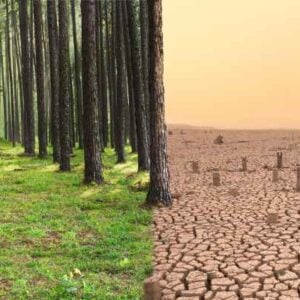
The Sahel, a semi-arid region spanning from the Atlantic Ocean to the Red Sea, has emerged as a hotspot for global terrorism due to frequent armed group attacks and resulting civilian fatalities. This situation is fueled by a combination of factors, including weak state structures, illicit economies, limited government presence in rural areas, and resource conflicts intensified by climate shocks.
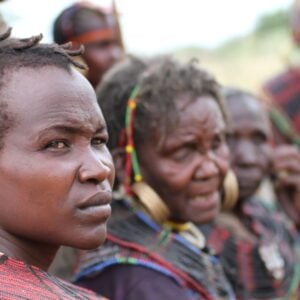
A political scientist with expertise in West African conflict and development conducted a policy study examining how climate change mitigation efforts in Sahelian communities have interacted with these underlying tensions. Extensive fieldwork and interviews were carried out in July and August 2025 across Burkina Faso, Mali, Niger, and Nigeria to understand how multiple crises affect local populations.
The research highlighted that livelihoods in the Sahel are under severe pressure due to climate change, with scarce and unevenly distributed resources, fragile governance, and competition for control by armed groups. The findings indicated that climate action can either alleviate or exacerbate existing crises, depending on how it is implemented and whether it considers local dynamics.
Large-scale climate mitigation projects, such as solar farms, reforestation programs, and bio-fuel plantations, have the potential to intensify tensions if they do not integrate local community needs. Initiatives like the Great Green Wall and the Agriculture Climate Resilient Value Chain Development Project in Niger exemplify efforts that, while aiming to combat climate change, may inadvertently heighten resource competition and social strain.