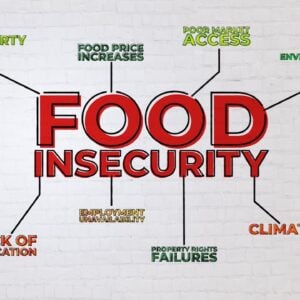
In Haiti, Hurricane Melissa devastated the coastal town of Petit-Goâve, destroying homes, livelihoods, and taking lives. Families lost livestock, suffered injuries, and experienced unimaginable grief, with rivers bursting and mud burying entire communities. The storm highlighted the devastating consequences of underfunded humanitarian aid in a country where more than half the population is acutely food insecure and armed groups control much of the capital and rural areas, displacing over 1.4 million people.
WFP Haiti has long operated reactively due to short-term and insufficient funding, limiting its ability to build long-term resilience. Predictable and sustained investments could enable the organization to save lives while strengthening communities against future shocks, instead of being trapped in a recurring cycle of crisis and response. Early interventions, such as sending 3.5 million warning messages and distributing anticipatory cash to 50,000 people, demonstrated that proactive support can reduce damage and protect livelihoods before disasters strike.
Investing in Haitian communities is not merely charity—it is smart economics. Current funding levels allow WFP to assist only those at the brink of catastrophe, the most expensive and least effective way to operate. Full funding would allow early action, expand reach, save lives, strengthen resilience, and reduce the human and financial costs of future emergencies. Every dollar invested early saves an estimated seven dollars later while preventing crises from escalating.
In Somalia, drought, conflict, and displacement have pushed 4.4 million people, nearly a quarter of the population, into acute hunger, with half of all children malnourished. Funding shortfalls mean WFP can reach only one in ten people in need, and without additional resources, operations risk halting entirely, leaving millions vulnerable. Stories like that of Hawa, a displaced mother of 11, illustrate the difference timely aid can make: cash and food support helped her stabilize, learn farming, and rebuild a livelihood, now providing food for her family and surplus to sell.
Nutrition interventions also save lives, as seen in mothers like Ramo, whose children benefit from treatment that prevents malnutrition complications during pregnancy and breastfeeding. With adequate funding, WFP could continue delivering emergency assistance while also supporting longer-term solutions such as daily school meals, climate-smart agriculture, and livelihood recovery, ultimately breaking cycles of hunger and poverty.
The experiences in Haiti and Somalia demonstrate that timely, well-funded humanitarian and development interventions are transformative. They save lives, restore hope, and build resilience, proving that the international community has the power to change outcomes—but only if it acts now to ensure sufficient and sustained funding.