Sudan has endured over 1,000 days of brutal conflict, creating the world’s largest hunger and displacement crisis, with no immediate end in sight. The United Nations World Food Programme (WFP) has reached more than 10 million of the most vulnerable women, men, and children since the resurgence of civil conflict in April 2023, providing emergency food, cash, and nutrition assistance. On average, WFP continues to deliver aid to four million people each month, including those in previously hard-to-reach areas across Darfur, Kordofan, Khartoum, and Al Jazira states.
WFP officials warn that these gains are at risk of being reversed. Rations have already been reduced to the minimum required for survival, and by the end of March, food stocks in Sudan are projected to be depleted. Without immediate additional funding, millions of people will be left without life-saving assistance within weeks, despite WFP having teams on the ground and the capacity to scale up operations if resources are available.
Over the past six months, nearly 1.8 million people living in famine or near-famine conditions have received regular WFP support, helping mitigate hunger in nine key locations. Recent efforts, including a joint UN convoy into Kadugli, have allowed aid to reach families who had been cut off for months, highlighting both the scale of need and the fragile opportunities for intervention.
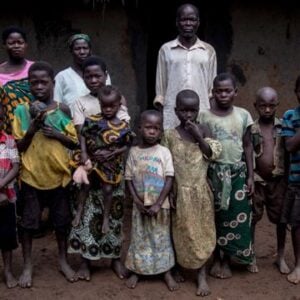
After more than two years of fighting, over 21 million people face acute hunger in Sudan. Famine has been confirmed in some areas, while nearly 12 million people have been displaced from their homes. Among the most vulnerable are 3.7 million children and pregnant or breastfeeding women, with surveys in North Darfur showing malnutrition rates exceeding 50% in some communities.
WFP stresses that the ongoing conflict continues to push families deeper into hunger and destabilize communities. Ross Smith, WFP Director of Emergency Preparedness and Response, emphasizes that famine can still be prevented if urgent funding is provided. WFP urgently requires USD 700 million to sustain its operations in Sudan from January to June, ensuring life-saving aid reaches those most at risk.